
The analysis, conducted for the non-profit Let There Be Light International, quantifies the shift in rural healthcare delivery. Electrified clinics reported an average of 11.5 additional operating hours daily, leading to a 107.3% increase in attended births and an average of 48.9 more patients per week. For local staff, the impact is immediate: midwives no longer rely on disposable flashlights or kerosene, allowing for safer, more consistent care during nighttime deliveries.
In section Releases
Data analytics reveals health gains from solar power in rural Uganda
A decade of data from off-grid clinics in Uganda shows that solar electrification is not merely an infrastructure upgrade, but a catalyst for maternal survival. Volunteer analysts from SAS found that reliable power allows health facilities to extend service hours and significantly increase the number of successful births.
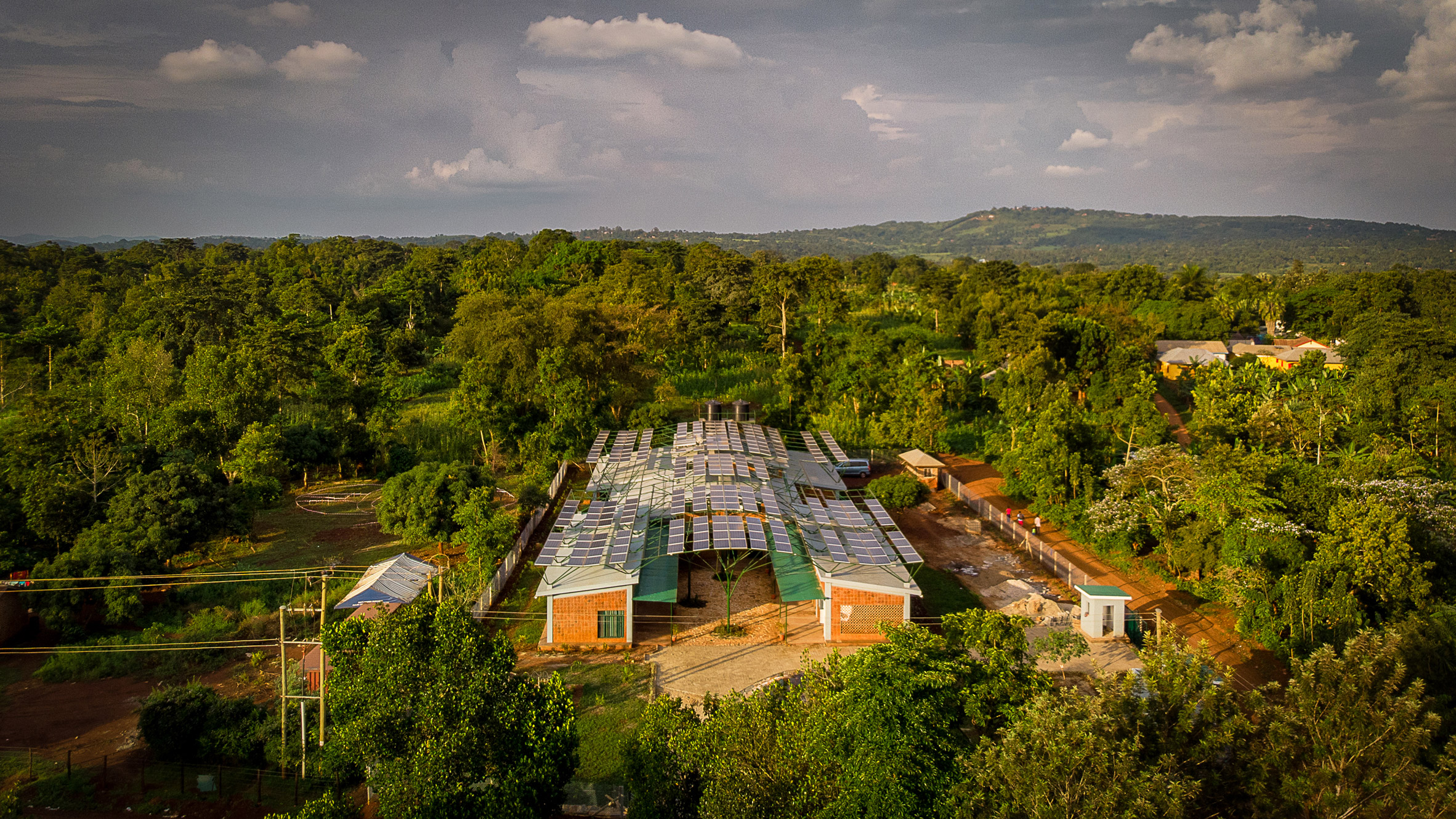
Beyond clinical walls, the initiative tracked the impact on 3,519 households. Data indicates that 88.1% of families experienced improved home health, while 56.9% reported a reduction in illness symptoms. By mapping these outcomes, Let There Be Light International can now identify which off-grid regions benefit most from solar deployment. For program director Hannah Schulman, the evidence provides a roadmap for future expansion, proving that connecting infrastructure to specific human outcomes is the most effective way to address energy poverty and strengthen community safety nets.
Comments (0)
No comments yet. Be the first!