
Contractors often treat precast components as standard commodities, but Tejel warns that failing to reconcile engineering specifications with field reality leads to costly delays. The process begins with a comprehensive audit of current drawings and engineering notes. Every dimension—from wall thickness to precise opening locations—must align with the actual conditions of the site, including utility placement and excavation depth. If a component is designed for a quiet landscape but destined for a high-traffic road, the failure to verify load-bearing requirements against the intended use can jeopardize the entire structure.
In section Releases
Precast Concrete Precision: A Checklist for Contractors
Before a single ton of concrete is poured, the margin for error in precast production is razor-thin. David Tejel, general manager at Washington-based Shope Concrete, argues that the difference between a seamless installation and a jobsite disaster lies in the rigorous verification of plans, site conditions, and load requirements.
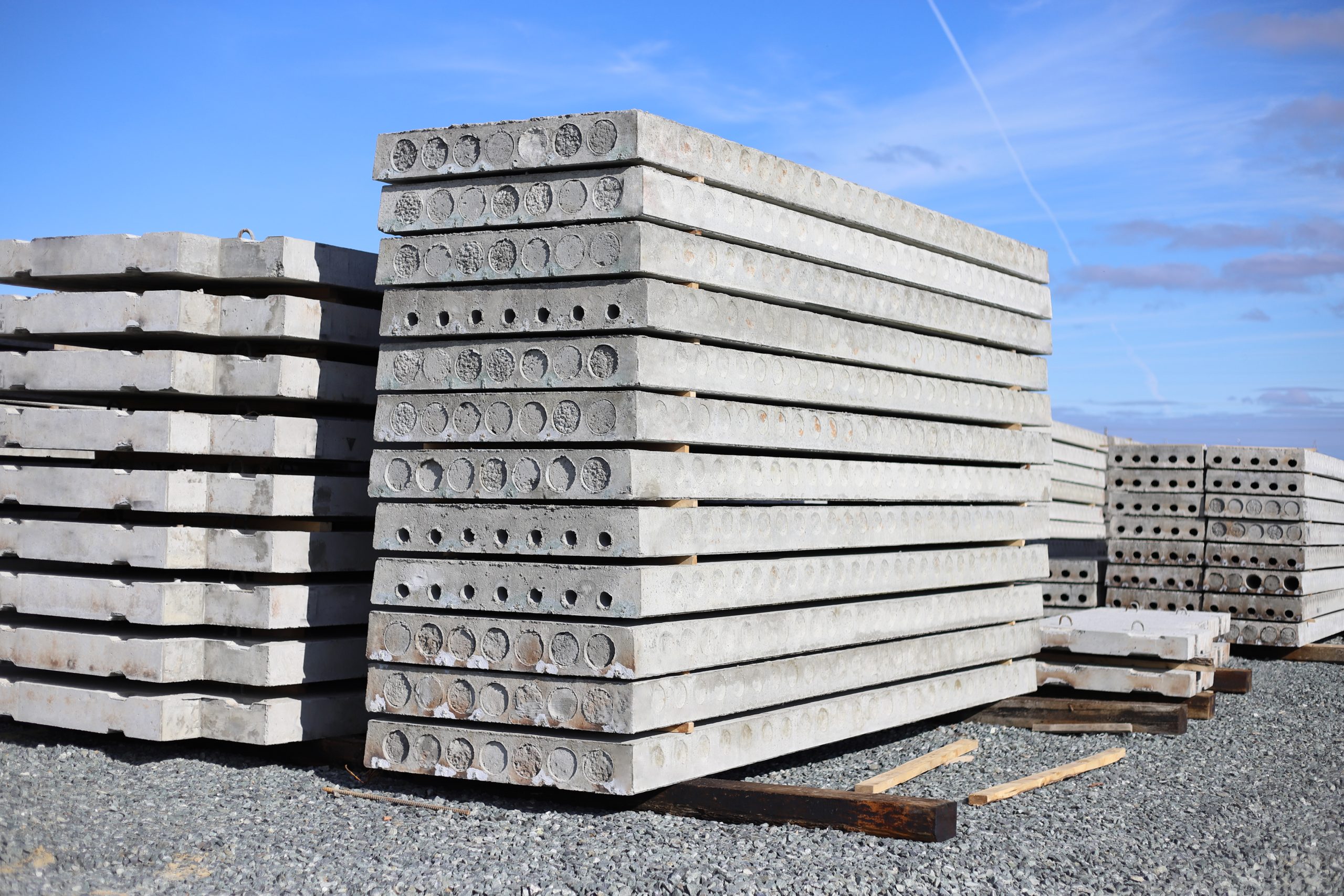
Beyond dimensions and weight, logistics often serve as the hidden bottleneck. Tejel emphasizes that site access—such as low-hanging power lines, narrow entry points, or unstable ground—must be evaluated before the manufacturer begins production. Coordinating delivery with the specific lifting capabilities available on-site ensures that unloading does not stall progress. By maintaining a feedback loop with manufacturers to capture last-minute project changes, contractors can ensure that the final product arrives ready for immediate installation, eliminating the need for expensive field modifications.
Comments (0)
No comments yet. Be the first!