
Dr. Yanjun Ma, an oncologist at Tennessee Oncology, joined a team of researchers to analyze the genetic and epigenetic profile of the world’s oldest living land animal. By examining how chemical modifications regulate gene expression in Jonathan, the team uncovered specific pathways responsible for DNA damage repair, inflammation control, and insulin regulation. These findings suggest that the tortoise’s ability to maintain cellular health over nearly two centuries is rooted in highly efficient cancer-suppression mechanisms.
In section Releases
Genetic Secrets of a 194-Year-Old Tortoise Reveal Cancer Resistance
Jonathan, a Seychelles giant tortoise born around 1832, has survived two centuries of human history while remaining immune to age-related disease. A new study published in Science Advances identifies 287 unique genetic variants in the tortoise, offering researchers a rare glimpse into the biological mechanisms that suppress cancer and promote extreme longevity.
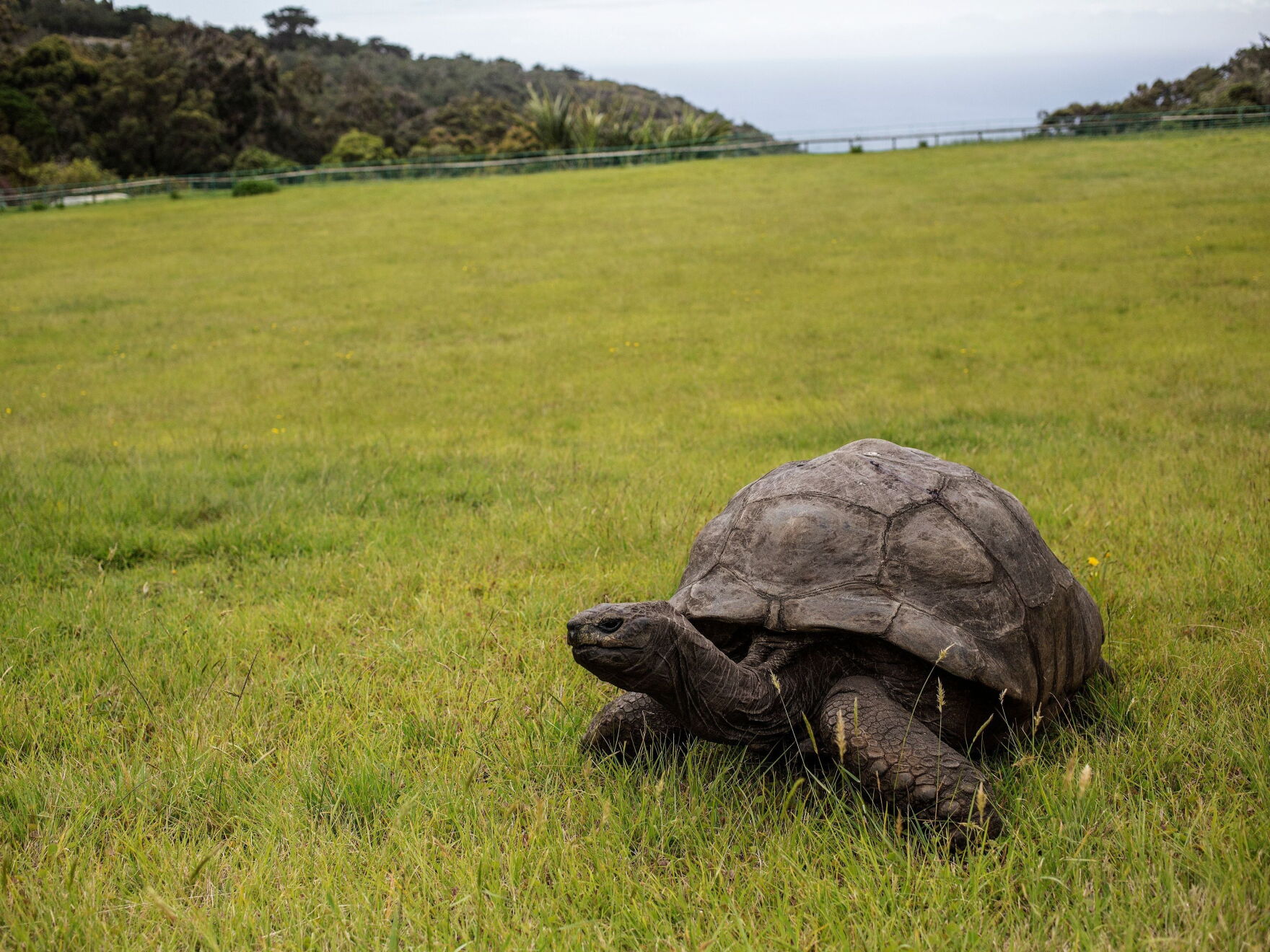
Stephen Clark, chief scientist at Kallel and the study’s senior author, noted that Dr. Ma’s oncology expertise was critical in interpreting how these specific gene variants protect the tortoise from tumor development. As aging remains the primary risk factor for most cancers in humans, researchers believe these biological solutions, honed by nature over 194 years, could eventually inform new clinical approaches to human disease. This investigation marks the first time the epigenome of a giant tortoise has been mapped, providing a foundation for future studies into how organisms successfully evade the cellular breakdown typically associated with advanced age.
Comments (0)
No comments yet. Be the first!