
New findings published in Ostrich: Journal of African Ornithology detail the decline of two historic colonies near Cape Town: Dassen and Robben islands. Between 2004 and 2011, the collapse of sardine stocks—driven by both environmental shifts and aggressive commercial fishing—forced penguins into a fatal cycle. Unable to gain enough weight to survive their 21-day annual moult, tens of thousands of birds perished. Richard Sherley, an associate professor at the University of Exeter, noted that sardine exploitation rates reached as high as 80% during periods when the fish population was already struggling to adapt to changing ocean temperatures and salinity.
In section Newsroom
Starving Colonies: The Silent Collapse of South Africa's Penguins
A staggering loss of 62,000 breeding African penguins reveals the lethal intersection of industrial overfishing and a warming climate. Researchers confirm that the species, now listed as critically endangered, faces a potential extinction within a decade as their primary food sources vanish from traditional spawning grounds.
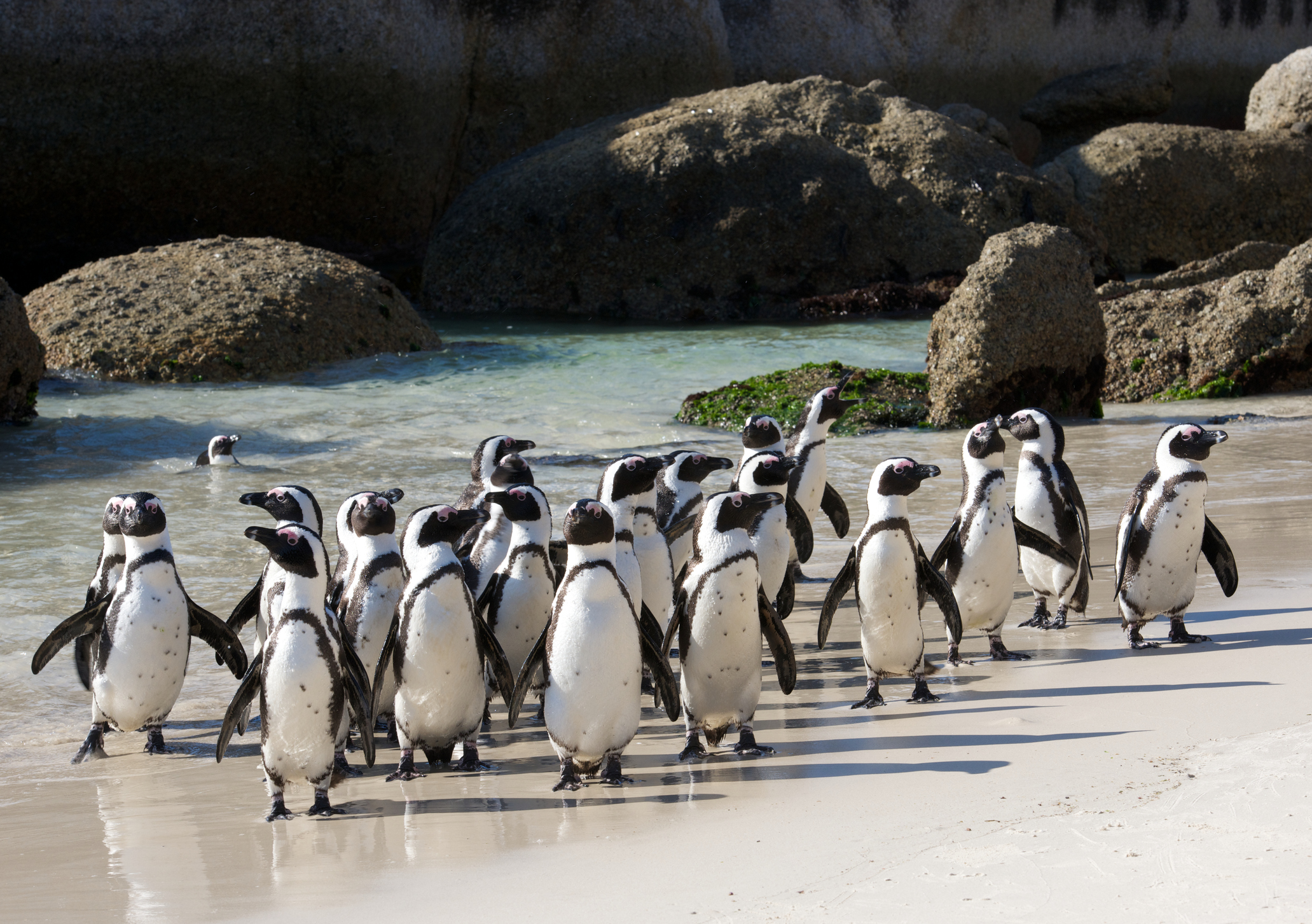
Conservationists are now pinning their hopes on a landmark legal settlement reached last March between environmental groups and the South African government. This agreement mandates no-go zones for commercial fishing vessels around six key breeding sites, including Stony Point and St. Croix Island. While these closures are set to remain in place until 2033, experts warn that legislative action alone may be insufficient. With fewer than 10,000 breeding pairs remaining globally, the plight of the African penguin serves as a grim barometer for broader ecosystem health, suggesting that many other species may be disappearing unnoticed as the planet experiences its sixth mass extinction event.
Comments (0)
No comments yet. Be the first!