
Rising health awareness regarding illnesses such as malaria, dengue, and the Zika virus is fueling demand for reliable personal protection. Industry analysts highlight that while traditional synthetic solutions like DEET remain central to the market, consumer preference is increasingly shifting toward diverse formulations, including sprays, lotions, and treated fabrics. This evolution is particularly pronounced in the Asia Pacific region, which is expected to dominate with a 47.5% market share in 2026, driven by dense populations and tropical climates conducive to insect breeding.
In section Releases
Global Insect Repellent Market Poised to Reach $2.04 Billion by 2035
The global market for insect repellent active ingredients is set for steady expansion, with projections indicating a rise from $1.24 billion in 2026 to $2.04 billion by 2035. This growth, forecasted at a compound annual rate of 5.7%, reflects an intensifying public focus on mitigating vector-borne diseases worldwide.
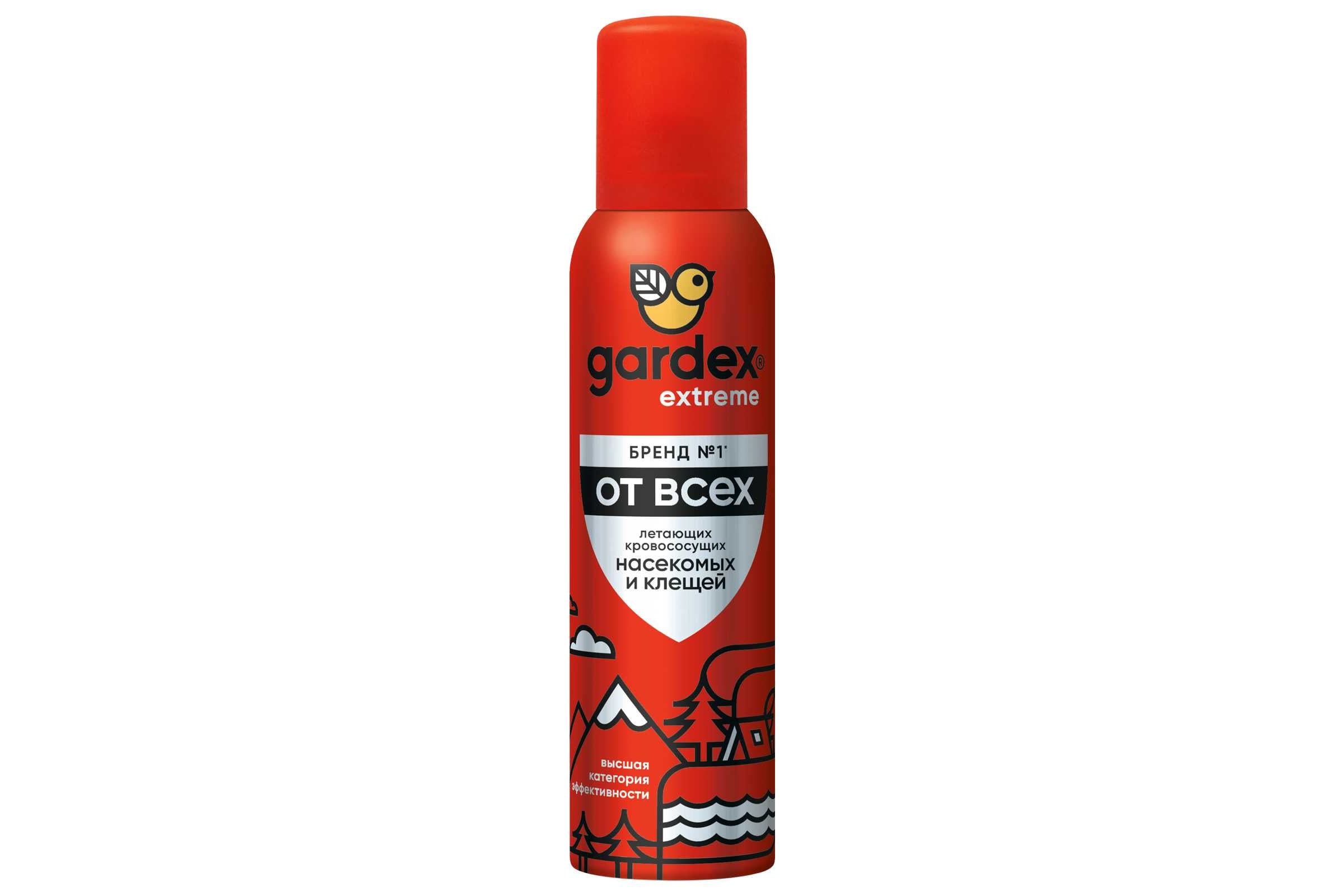
Beyond regional dominance, the competitive landscape remains highly fragmented. Large-scale chemical firms and specialized manufacturers, including Sumitomo Chemical, LANXESS, and Clariant, are currently navigating a sector where smaller players control over 80% of the market. Investment trends suggest a future defined by innovation, as companies prioritize the development of bio-based ingredients and sustainable technologies to meet the growing need for effective, skin-friendly repellent options.
Comments (0)
No comments yet. Be the first!