
The duo opened their session, "Myth vs Reality," by addressing the concept of longevity escape velocity—the theoretical point where science adds more than one year of life for every year lived. While futurists like Ray Kurzweil anticipate this milestone by 2030, a 2024 Nature Aging study suggests current progress is significantly slower, gaining only about three months annually. Instead of chasing speculative breakthroughs, Pagnato and Carstensen advocated for the Stanford Center on Longevity’s "New Map of Life," which emphasizes multi-stage careers and intergenerational family structures.
In section Releases
Challenging the Longevity Myth in Tuscany
Amid the rolling hills of Tuscany, Paul Pagnato and Stanford’s Dr. Laura Carstensen dismantled the prevailing hype surrounding life extension. Addressing the R360 network, the pair argued that the secret to a century-long lifespan lies not in expensive biohacks, but in recalibrating how we approach decades of living.
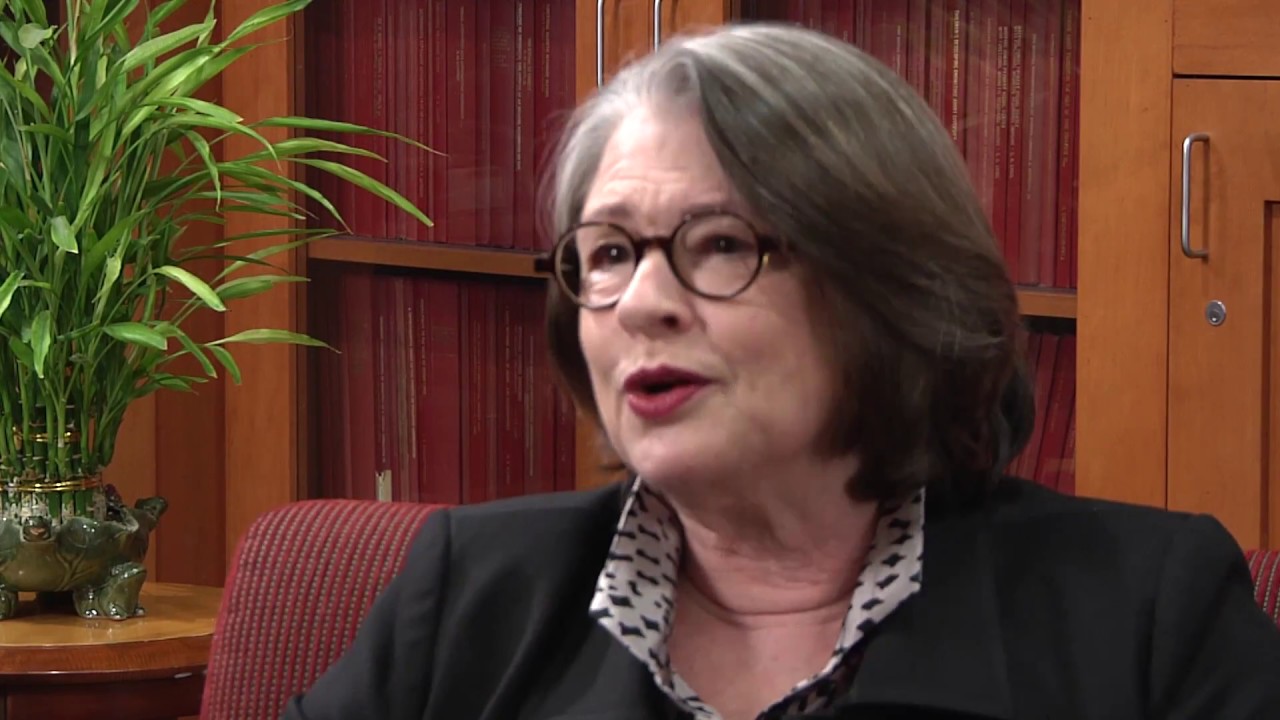
Financial status remains a factor in survival, with top-tier earners living 10 to 15 years longer than the lowest earners, according to a 2016 JAMA study. However, the speakers noted that once basic financial security is met, the marginal benefits of wealth vanish, leaving relationships and purpose as the primary drivers of longevity. They dismissed the current obsession with compounds like rapamycin or metformin, pointing to a lack of human-proven benefits. For now, the most effective tools for extending healthspan remain the classics: consistent strength training, cardiovascular fitness, adequate sleep, and strong social ties. Carstensen closed by highlighting her own research on the "positivity effect," which suggests that emotional well-being often improves with age as individuals refine their focus on what is truly essential.
Comments (0)
No comments yet. Be the first!