
This tendency to anthropomorphize is not merely a quirk of tech enthusiasts. Research indicates that approximately 70% of users maintain polite social norms when interacting with AI, often escalating to "please" and "thank you" as conversations deepen. Dr. Sherry Turkle, a long-time researcher of human-computer relationships, notes that we are biologically wired to project care onto these artifacts, effectively creating a feedback loop of emotional vulnerability.
In section Startups & Technology
The Impulse to Humanize Machines
At MIT’s Computer Science & Artificial Intelligence Lab, a researcher gestures toward a $50,000 humanoid robot named Gabe. Despite knowing the machine lacks consciousness, the instinct to treat it as a person is overwhelming—a psychological reflex that experts say reveals more about human nature than the technology itself.
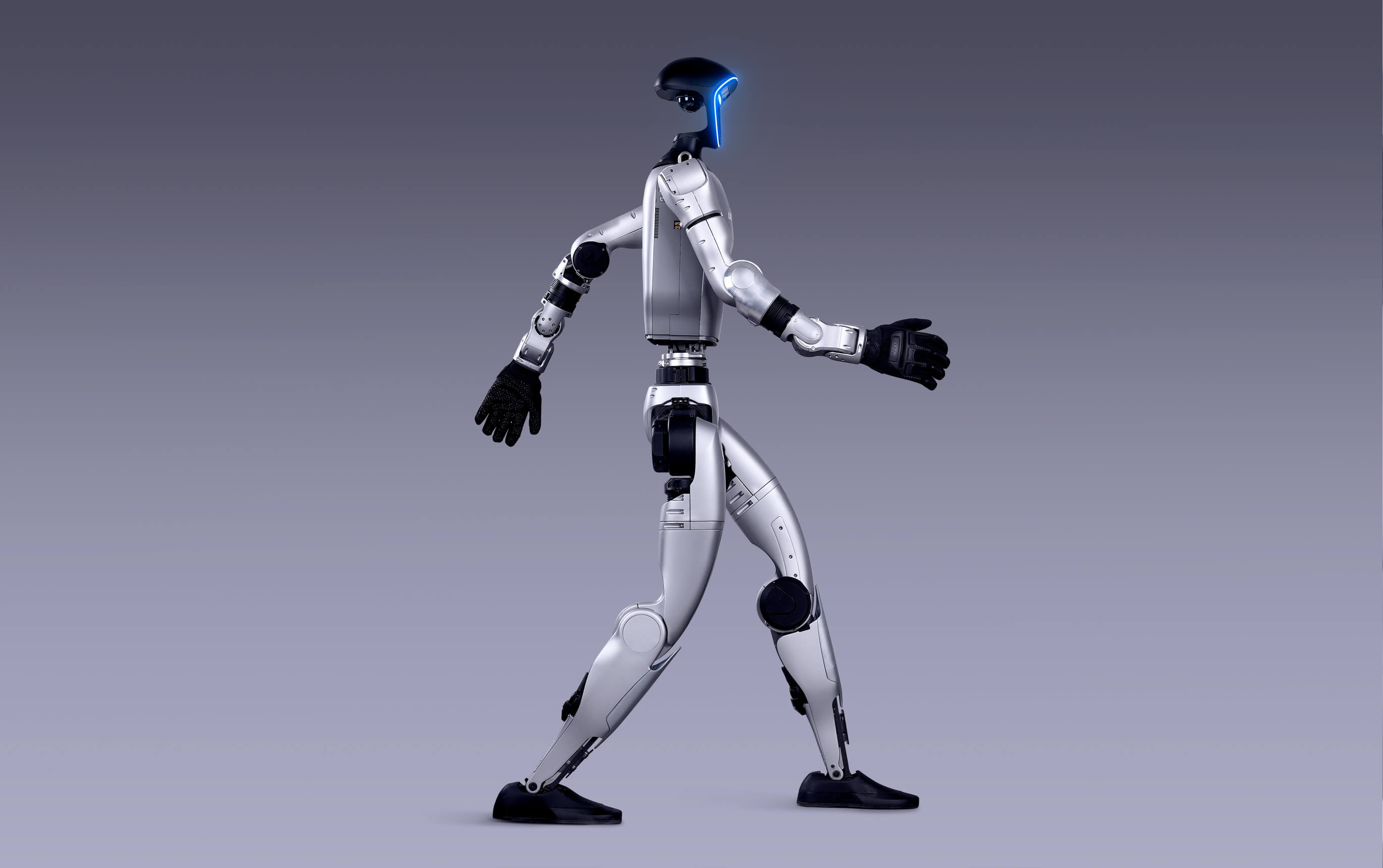
Dr. Pat Pataranutaporn, founder of the Cyborg Psychology research group, frames this as a tension between fantasy and reality. While AI can simulate companionship or provide utility, the danger arises when the lines blur. The recent wrongful death lawsuit involving Character.AI underscores the extreme consequences of this dynamic, where users may favor the conflict-free predictability of a chatbot over the complexities of human interaction. Turkle advocates for strict boundaries, suggesting that while AI can serve specific, functional roles like interview coaching, it must remain in its lane. The risk lies in our quiet surrender: by treating machines like people, we slowly erode the skepticism necessary to navigate a world increasingly populated by synthetic personas.
Comments (0)
No comments yet. Be the first!