
Columbus-based supply chain firm MES Inc. reports that while software often captures the spotlight, the physical architecture of robots remains the primary hurdle for large-scale deployment. Companies like Tesla and AgiBot are ramping up assembly lines, but the transition from building dozens of units to tens of thousands requires a complete overhaul of component production. Engineering teams typically rely on billet machining during prototyping to facilitate rapid design iterations, yet this method becomes unsustainable and prohibitively expensive at scale.
In section Releases
Humanoid Robotics Faces a Manufacturing Bottleneck at Scale
As global humanoid robot production races toward a projected 100,000 units in 2026, the industry faces a critical hardware constraint. Manufacturing experts warn that relying on prototype-style billet machining will stall volume production, necessitating a shift to die casting, forging, and extrusion processes long before demand peaks.
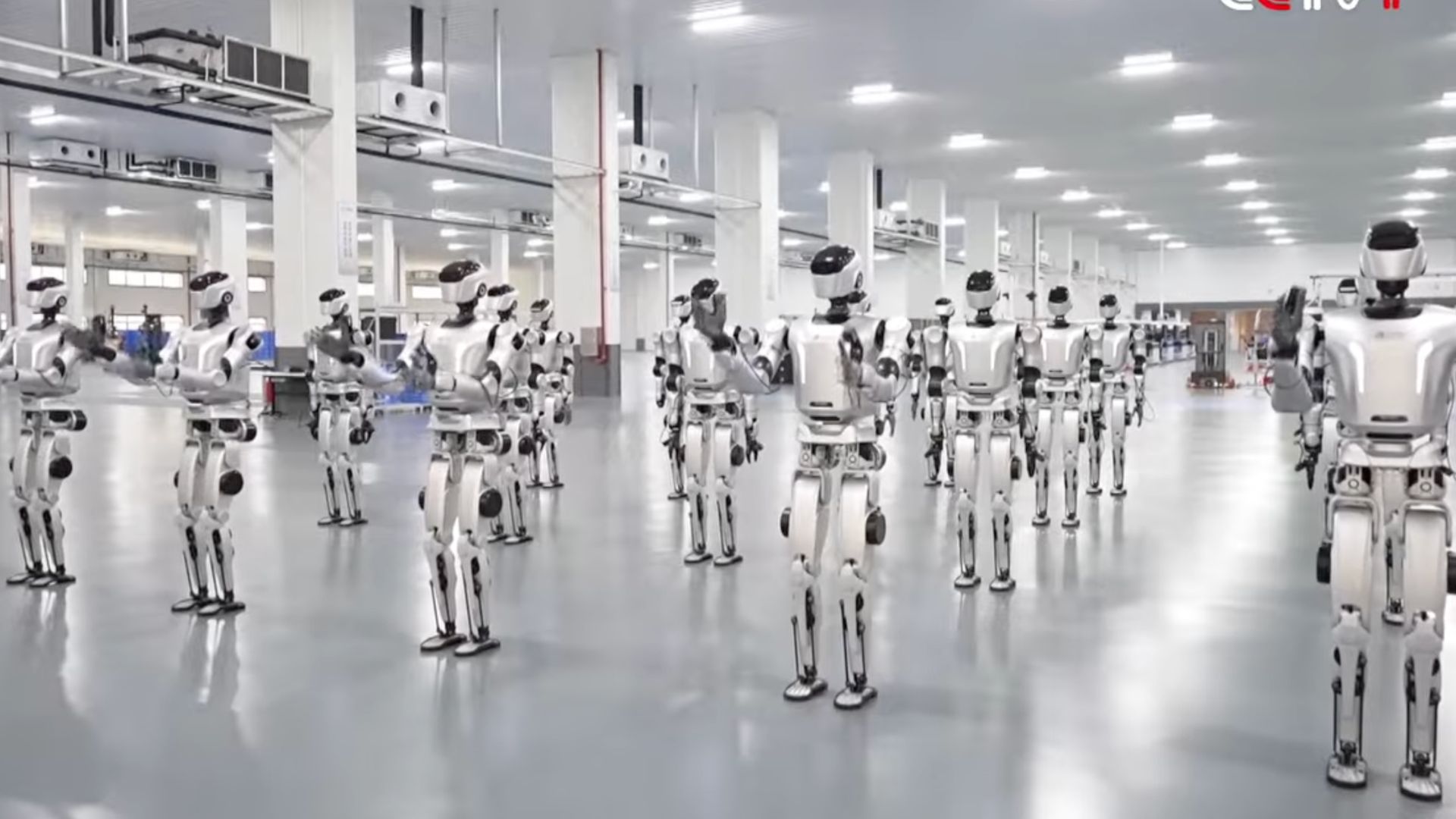
Moving to volume requires redesigning structural frames, joint housings, and motor enclosures for casting or forging. According to Hiten Shah, founder of MES, the parts used in pilot builds are fundamentally unsuited for mass production. This transition demands specialized tooling, foundry capacity, and a supply chain capable of handling complex quality requirements. Engineering manager Brad Layne notes that converting a part from a solid block to a casting forces a redesign of wall sections and datum schemes to ensure structural integrity and precision. Manufacturers must address porosity control, tolerance stack-up, and material selection early in the development cycle to avoid costly delays when scaling production.
Comments (0)
No comments yet. Be the first!