
Manufacturing firms are increasingly turning to advanced CAM platforms to automate machining operations and improve production accuracy. The transition is marked by a move away from manual programming toward digitally integrated workflows that embed AI-driven toolpath generation and simulation directly into the design process. These technological shifts are particularly pronounced in high-complexity sectors such as aerospace, automotive, and medical device manufacturing, where minimizing programming overhead and maximizing machine tool capacity are critical for competitiveness.
In section Releases
Global CAM Software Market Projected to Reach $6.4 Billion by 2031
The global computer-aided manufacturing (CAM) software market is set for significant expansion, with projections indicating a climb from $4.0 billion in 2026 to $6.4 billion by 2031. Driven by a compound annual growth rate of 9.6%, the sector is shifting toward AI-assisted programming and cloud-native deployment models to meet industrial demand.
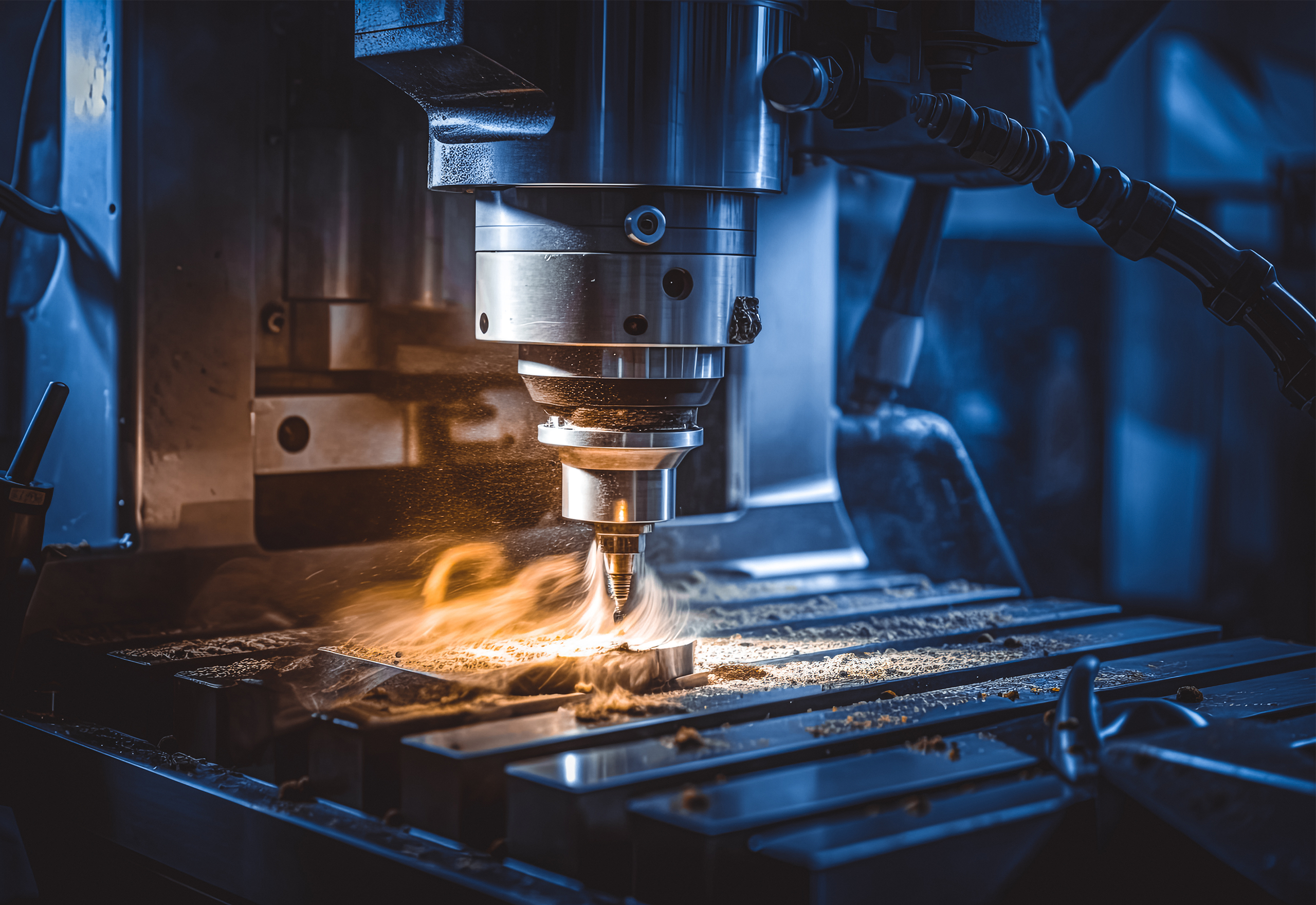
North America remains the dominant region for market value, bolstered by a high density of industrial manufacturers and sustained investment in enterprise-grade software stacks. While established players like Autodesk, Siemens, and Hexagon continue to lead through strategic acquisitions and platform consolidation, new opportunities are emerging for vendors capable of providing lightweight, interoperable programming modules. The market is currently undergoing a structural evolution where cloud-based deployment and AI-integrated manufacturing are no longer optional features but essential components for organizations aiming to achieve predictable, repeatable production outcomes.
Comments (0)
No comments yet. Be the first!