
A study conducted by James Prieger, a professor of economics and public policy at Pepperdine University, highlights that the primary beneficiaries of this market shift are often consumers who never switched providers. Households remaining with cable services accounted for $20.8 billion in total savings, as legacy providers lowered prices to defend their market share against the growing 5G presence.
In section Releases
5G Home Internet Competition Slashes Cable Bills by 17 Percent
The arrival of 5G home broadband in local markets has triggered a significant drop in cable prices, saving American households $28.5 billion between 2023 and 2025. By introducing a potent alternative to traditional wireline services, 5G fixed wireless access has forced cable providers to lower monthly rates by an average of $11.
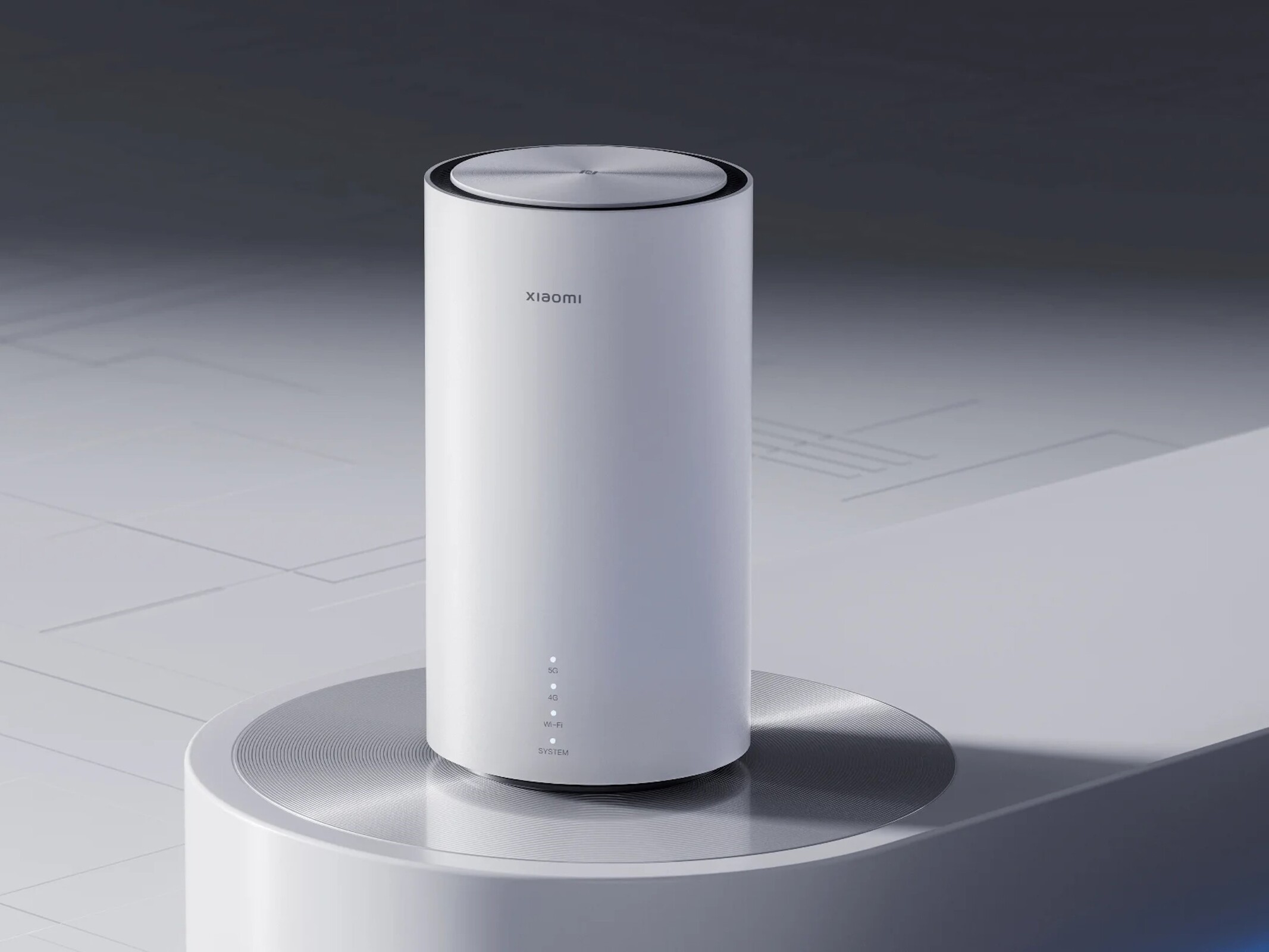
5G Home has rapidly scaled into a formidable broadband competitor, reaching nearly 17 million households. The competitive pressure is reflected in recent subscriber shifts: in 2025, 5G Home services gained 3.9 million users, while cable providers saw a decline of 1.5 million. According to CTIA CEO Ajit Pai, these economic gains underscore the importance of government efforts to release additional spectrum, which directly expands network capacity and fuels further competition. Prieger suggests that maintaining current spectrum auction schedules remains the most effective lever for extending these price reductions to more communities nationwide.
Comments (0)
No comments yet. Be the first!