
The study, titled "Genomic characterization of the endangered medicinal polypore agarikon," offers a long-sought genetic blueprint for Laricifomes officinalis. This ancient wood-decay fungus, which can live for over a century, has historically been difficult to study due to the scarcity of wild specimens. The newly assembled genome is 99.4% complete, containing 8,717 predicted genes and 27 candidate biosynthetic gene clusters that may hold the key to the fungus's unique medicinal properties.
In section Releases
Mycologists Decode Rare Agarikon Fungus Genome to Aid Conservation
A 28.76-megabase nuclear genome now maps the genetic architecture of the endangered Agarikon fungus, a breakthrough published in G3: Genes, Genomes, Genetics. By providing this definitive reference, researchers at Fungi Perfecti aim to protect a species threatened by habitat loss and the rapid disappearance of old-growth forests.
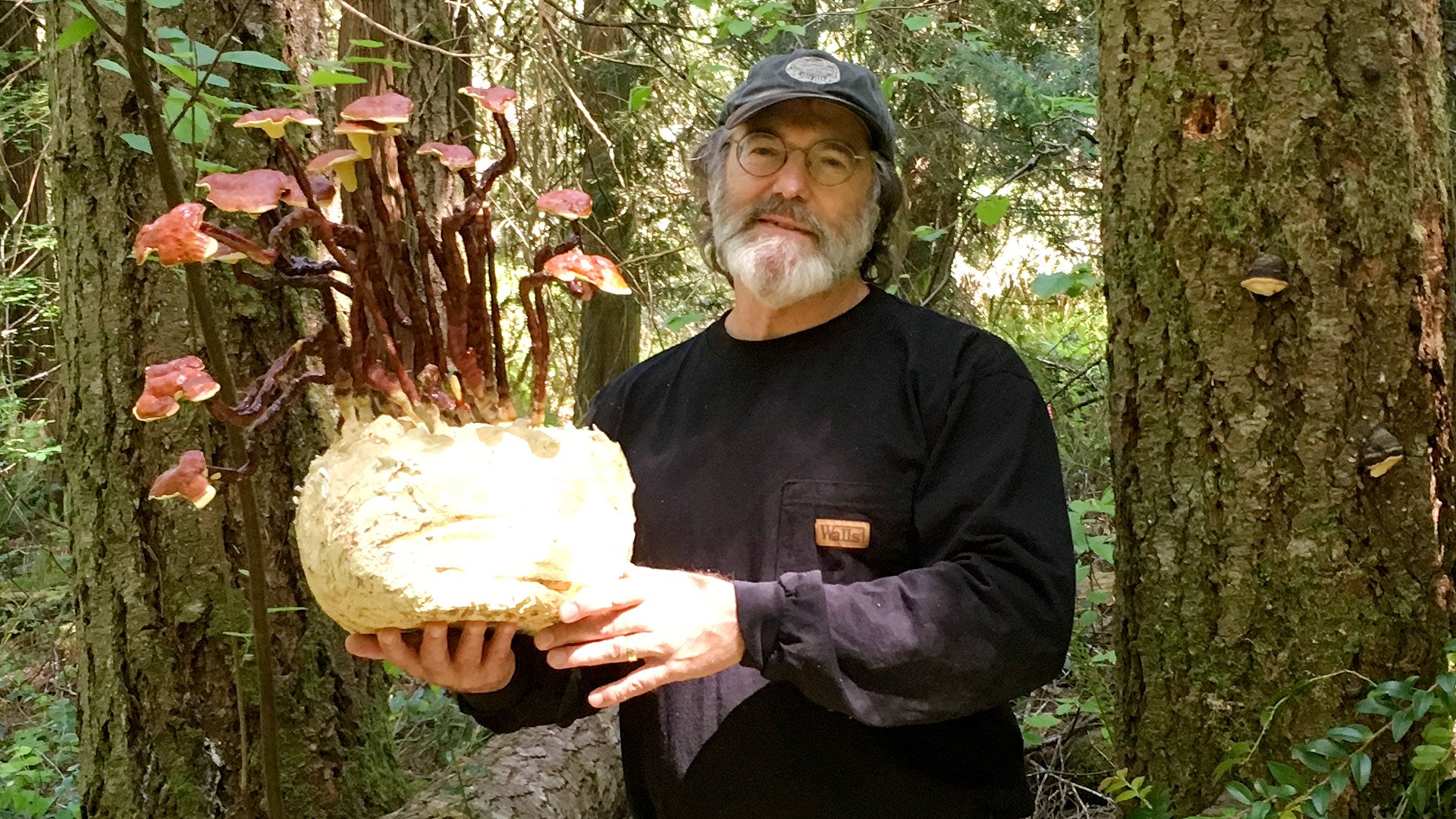
Chase Beathard, PhD, Director of Research & Development at Fungi Perfecti, noted that this map allows for a more rigorous comparison of populations and an understanding of the biological pathways that shape the organism. Beyond basic biology, the data provides a framework for conservation efforts. With the Agarikon currently listed as endangered by the IUCN, the ability to study cultivated mycelium rather than harvesting wild fruiting bodies is essential for long-term preservation. Fungi Perfecti currently maintains a library of over 120 specimens, serving as a critical genetic repository for future scientific inquiry.
Comments (0)
No comments yet. Be the first!