
Rivian currently relies on a custom-built agentic framework that processes driver requests locally or via the cloud, handling tasks like climate control and calendar management. Scaringe framed this as a traffic-light system, where the vehicle intelligently routes queries to the most appropriate model based on complexity. By developing its own software stack instead of relying on platforms like Apple CarPlay, the automaker has maintained control over the underlying architecture required to host these third-party tools.
In section Startups & Technology
Rivian plans to integrate third-party AI agents into vehicle software
Rivian CEO RJ Scaringe envisions a future where electric vehicles host sophisticated AI agents from companies like Anthropic, moving beyond basic in-house voice commands. Speaking at TechCrunch Disrupt, Scaringe outlined a strategy to integrate external models into the car’s ecosystem while maintaining strict boundaries around safety-critical vehicle controls.
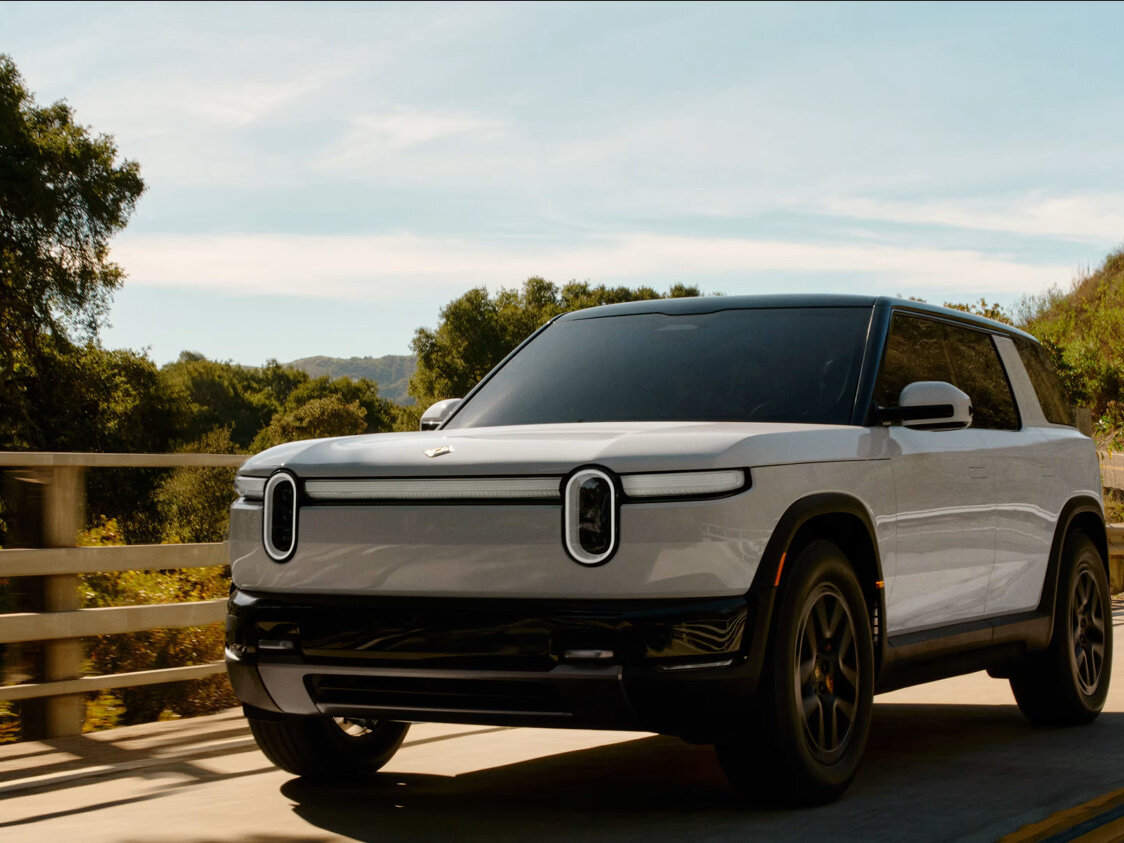
Integrating frontier AI into a moving vehicle presents significant engineering hurdles. Scaringe emphasized that the company is currently building the necessary backend infrastructure to bridge the gap between vehicle software and external labs. Despite these ambitions, the company remains cautious about the scope of these agents. Safety-critical functions, such as braking or steering, will remain entirely off-limits to AI agents. Instead, the focus is on creating a seamless extension of the user’s digital life, allowing the car to pull context from personal conversations or external planning apps. Further technical details are expected at the company’s AI & Autonomy Day in December.
Comments (0)
No comments yet. Be the first!