
During Wednesday’s third-quarter earnings call, Lars Moravy, Tesla’s vice president of engineering, confirmed that early Cybercab production is earmarked for the company’s internal robotaxi operations. Tesla intends to transition toward delivering these vehicles to third-party customers as it refines its fleet management capabilities. This marks a strategic shift for Elon Musk, who long envisioned converting existing privately owned vehicles into autonomous taxis via software updates rather than selling dedicated, control-less hardware.
In section Startups & Technology
Tesla Targets Year-End Launch for Cybercab Despite Regulatory Hurdles
Tesla plans to begin selling its autonomous, steering-wheel-free Cybercab to customers by the end of this year, a pivot from previous strategies that relied on existing fleets. This ambitious timeline persists even as the National Highway Traffic Safety Administration investigates whether the two-seater adheres to federal vehicle safety standards.
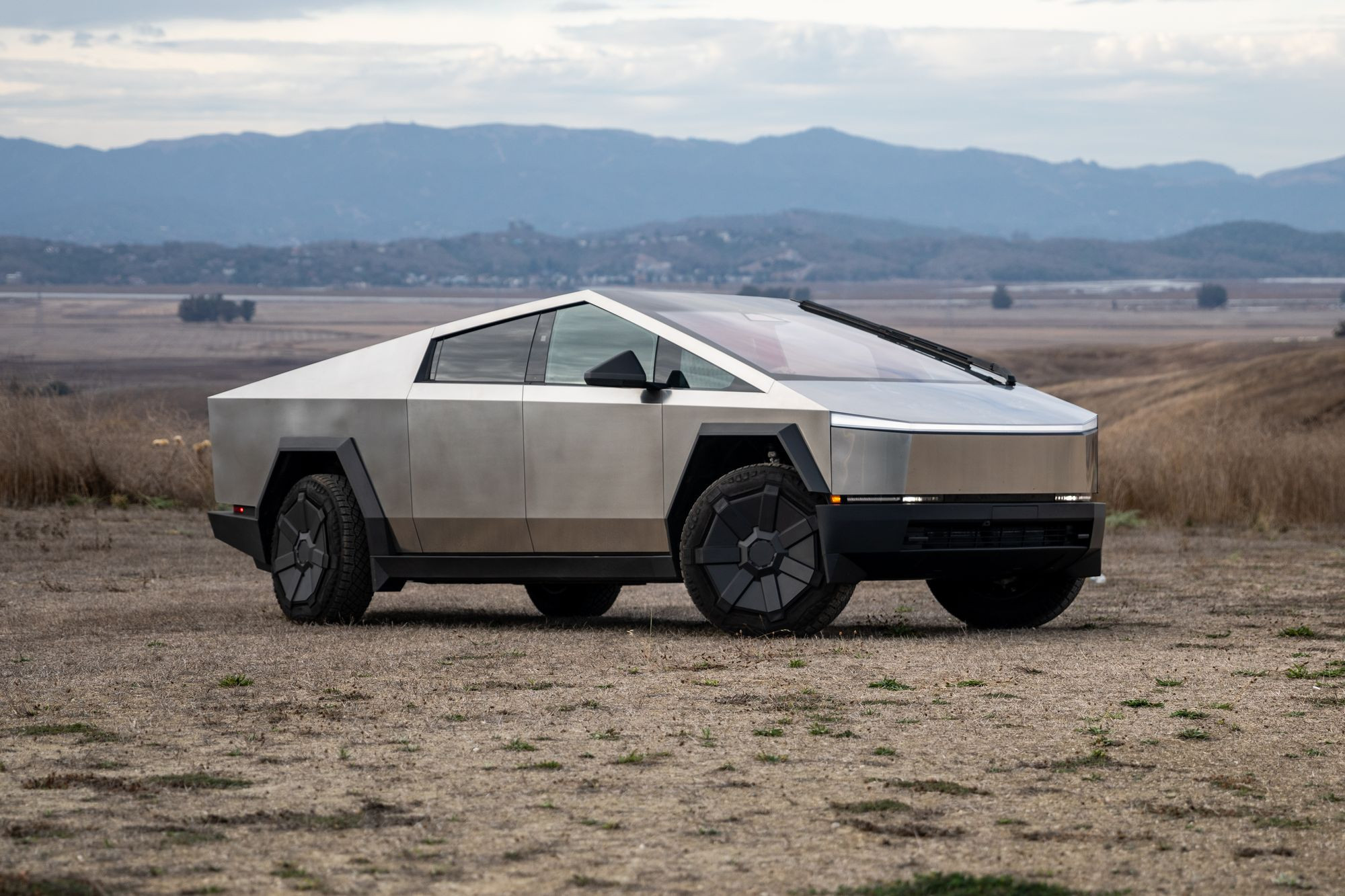
While Musk positions the Cybercab as a 'transport as a service' model distinct from consumer-owned vehicles like the Model 3 or Y, significant regulatory friction remains. The National Highway Traffic Safety Administration is currently scrutinizing the vehicle’s self-certification process, as federal standards still mandate manual controls like brake pedals and mirrors. Furthermore, Musk’s promise of unsupervised Full Self-Driving capabilities for standard Tesla owners has been deferred to the second quarter of next year, creating a scenario where fleet operators might gain autonomous access before individual car owners.
Comments (0)
No comments yet. Be the first!