
The company’s structure relies on a triple-lock system designed to insulate its mission from market pressures. The Long Term Benefit Trust, led by figures like Ben Bernanke and Neil Shah, holds the power to appoint and remove a majority of the board. Simultaneously, the seven founders retain a special class of stock granting them 50.1% of voting power, ensuring they control three board seats. Finally, the board retains a unique veto over the Trust’s appointments, which can trigger a company-wide employee vote if a dispute arises.
In section Startups & Technology
Anthropic’s Baroque Governance Keeps Public Shareholders in the Dark
As Anthropic moves toward an initial public offering, the AI lab has constructed a governance framework that effectively disenfranchises public investors. By prioritizing its "public benefit" mission over shareholder value, the company has created a complex web of control that keeps decision-making power far from common stock holders.
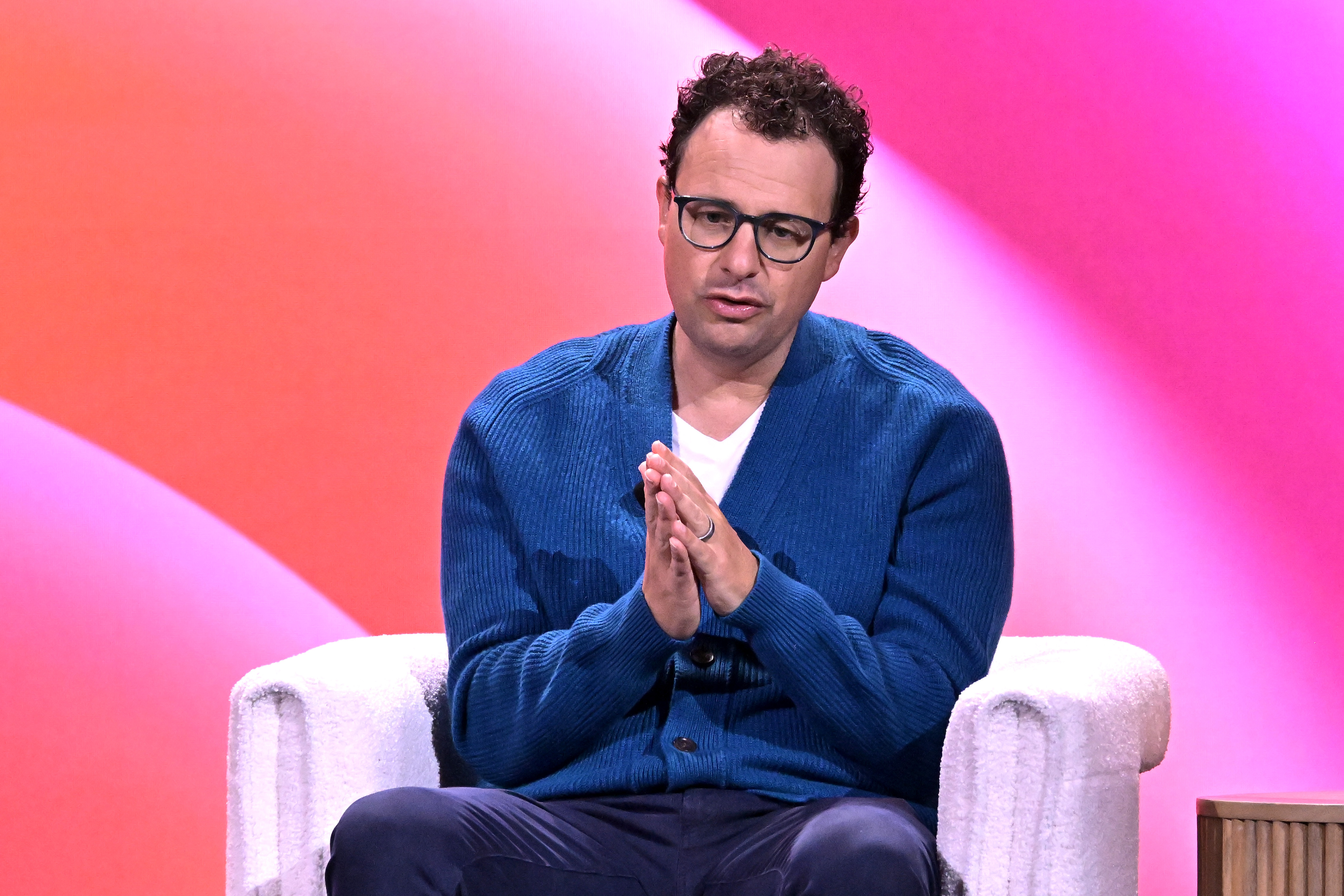
This setup mirrors the tensions seen during the internal upheaval at OpenAI, effectively codifying the role of employee sentiment in corporate governance. While founders currently dictate the company's direction, this concentration of power is not permanent. Their control is set to expire a decade after the IPO or when the number of original founders drops below three. Until that threshold is met, the traditional mechanisms of shareholder democracy remain suspended, leaving investors with little influence over the board’s composition or the company’s strategic trajectory.
Comments (0)
No comments yet. Be the first!