
The spacecraft, which generates 1 kW of power, operates on a strict 20-minute cycle due to the immense energy demands of the TPU. During its initial commissioning, engineers tasked the onboard Gemma 4 model with writing a haiku, resulting in a reflection on starlight and data streams. Beyond creative writing, the mission serves as a critical stress test for hardware resilience. Radiation in space can cause bit flips in memory, potentially corrupting data in ways that standard Earth-bound monitoring tools might miss.
In section Startups & Technology
Google launches orbital data center to test AI in space
A satellite carrying a single Google Tensor Processing Unit is now orbiting Earth, successfully generating poetry from space. Launched on a SpaceX Falcon 9, the Suncatcher prototype aims to demonstrate whether high-performance AI inference can survive the harsh radiation and thermal stressors of low-Earth orbit.
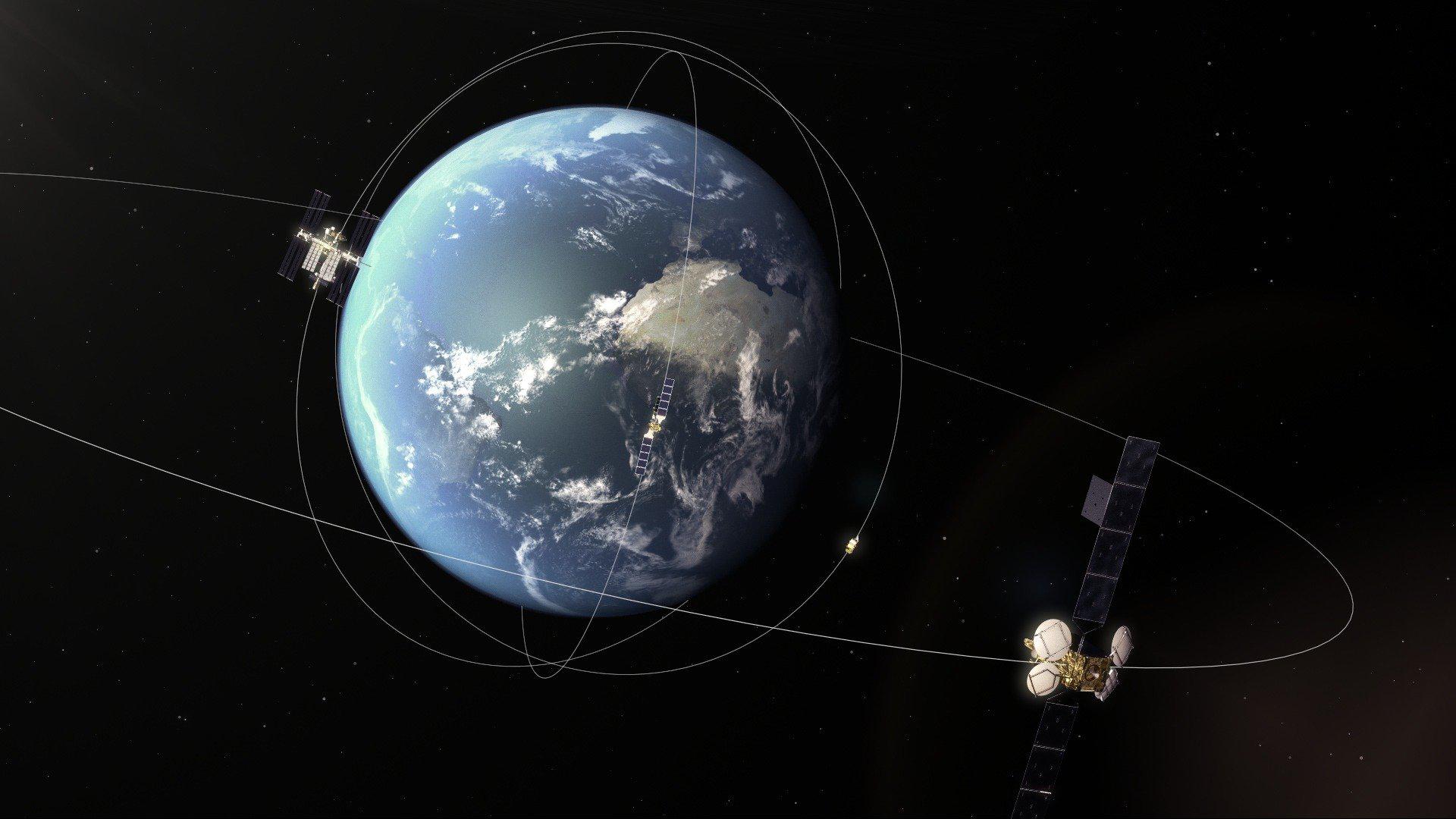
Google intends to use this data to refine infrastructure for the 2030s. If the current hardware performs reliably, the company plans to launch two additional satellites in 2027 featuring inter-satellite optical links. While competitors like SpaceX are also exploring orbital processing, Google’s Starcloud project remains distinct in its focus on creating coherent, distributed workloads across a satellite network. The success of these future deployments remains tethered to the development of SpaceX’s Starship, which is required to make such frequent orbital infrastructure launches economically viable.
Comments (0)
No comments yet. Be the first!