
The disconnect is becoming impossible to ignore. When executives like Marissa Mayer, Sam Altman, and Mark Zuckerberg suggest that AI should handle school assignments, bedtime stories, or even romantic filtering, they are not just marketing software—they are advocating for a lifestyle where human interaction is treated as an inefficiency to be optimized away. Critics argue this creates a dystopian feedback loop, where tech elites attempt to solve problems that most people do not actually have, while ignoring the societal fatigue setting in among users who are increasingly wary of algorithmic influence.
In section Startups & Technology
Silicon Valley’s AI obsession is hitting a wall of human reality
From outsourcing parenting to automating first dates, tech CEOs are increasingly championing a vision of the future where human friction is entirely eliminated. As industry leaders pitch AI as a universal life-hack, a growing divide emerges between the product roadmaps of Silicon Valley and the actual needs of everyday people.
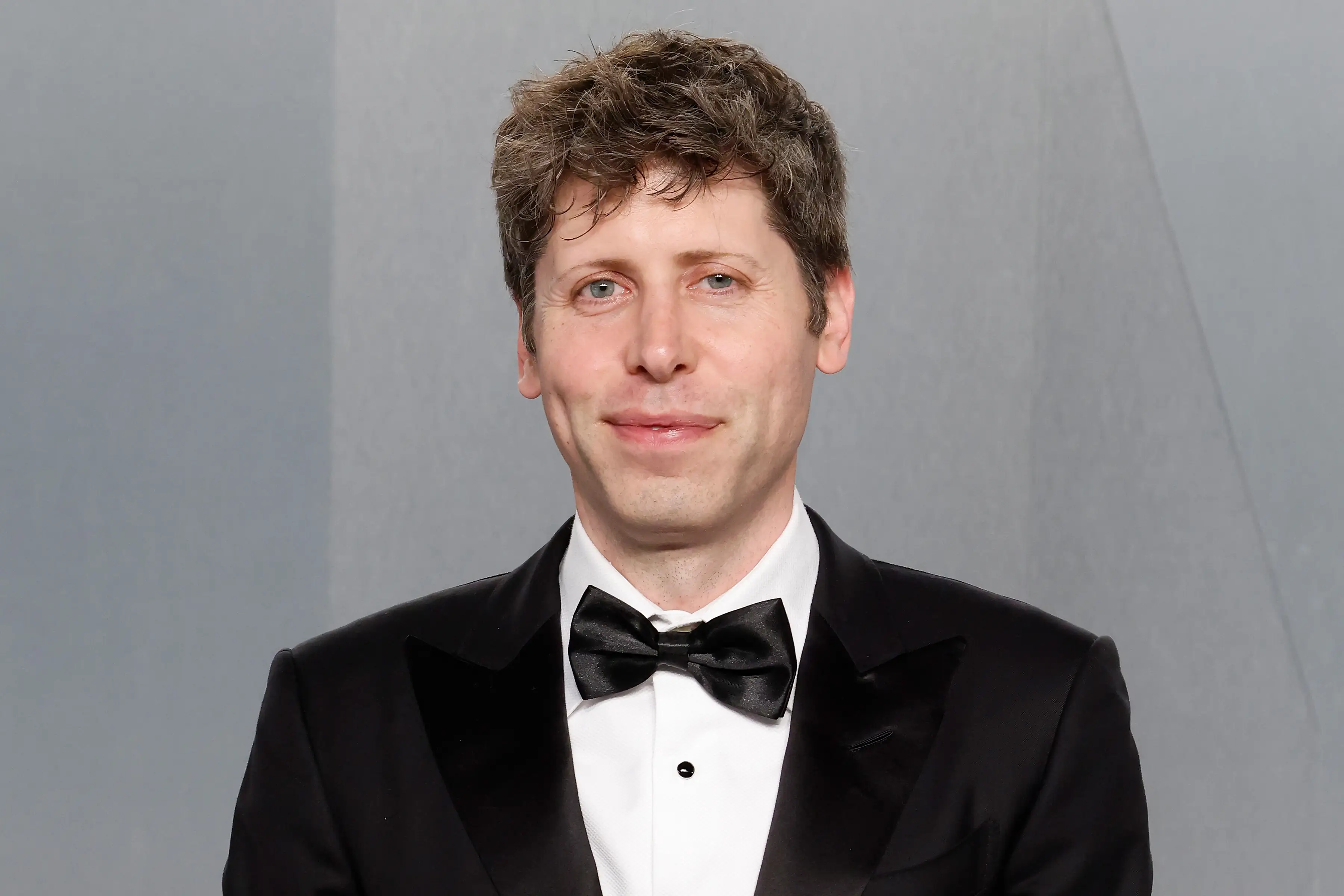
This tension is surfacing just as investor patience begins to wane. While companies like Anthropic prepare for public markets, the industry is struggling to prove that its tools offer tangible value beyond the niche interests of tech early adopters. For many, the push to automate the mundane is beginning to feel less like progress and more like a surrender of the very experiences that define human connection. As people look toward alternatives—ranging from the "dumb phone" movement to a rejection of curated algorithmic feeds—the industry faces a fundamental choice: continue building for a hypothetical, hyper-optimized future or acknowledge that human life, in all its messy, inefficient glory, is not a bug to be fixed.
Comments (0)
No comments yet. Be the first!