
The strategy, while unconventional, offers a tactical speed advantage. A standard utility connection can take nearly a decade to manifest, whereas jet-powered units allow for operational readiness within 24 months. Audun Martinsen of Rystad Energy notes that for these companies, immediate power availability is the overriding priority. The urgency is evident in the collapse of major projects, such as Microsoft withdrawing from an Nscale site in England after utilities cited a decade-long wait for sufficient capacity.
In section Startups & Technology
Data centers bypass grid delays with repurposed jet engines
Seven years is the current wait time to secure a 100-megawatt grid connection in Northern Virginia, forcing AI infrastructure developers to seek radical alternatives. To bypass these bottlenecks, tech firms are increasingly deploying retired aircraft engines, rebuilt to burn natural gas, as temporary, high-speed power sources for their massive data centers.
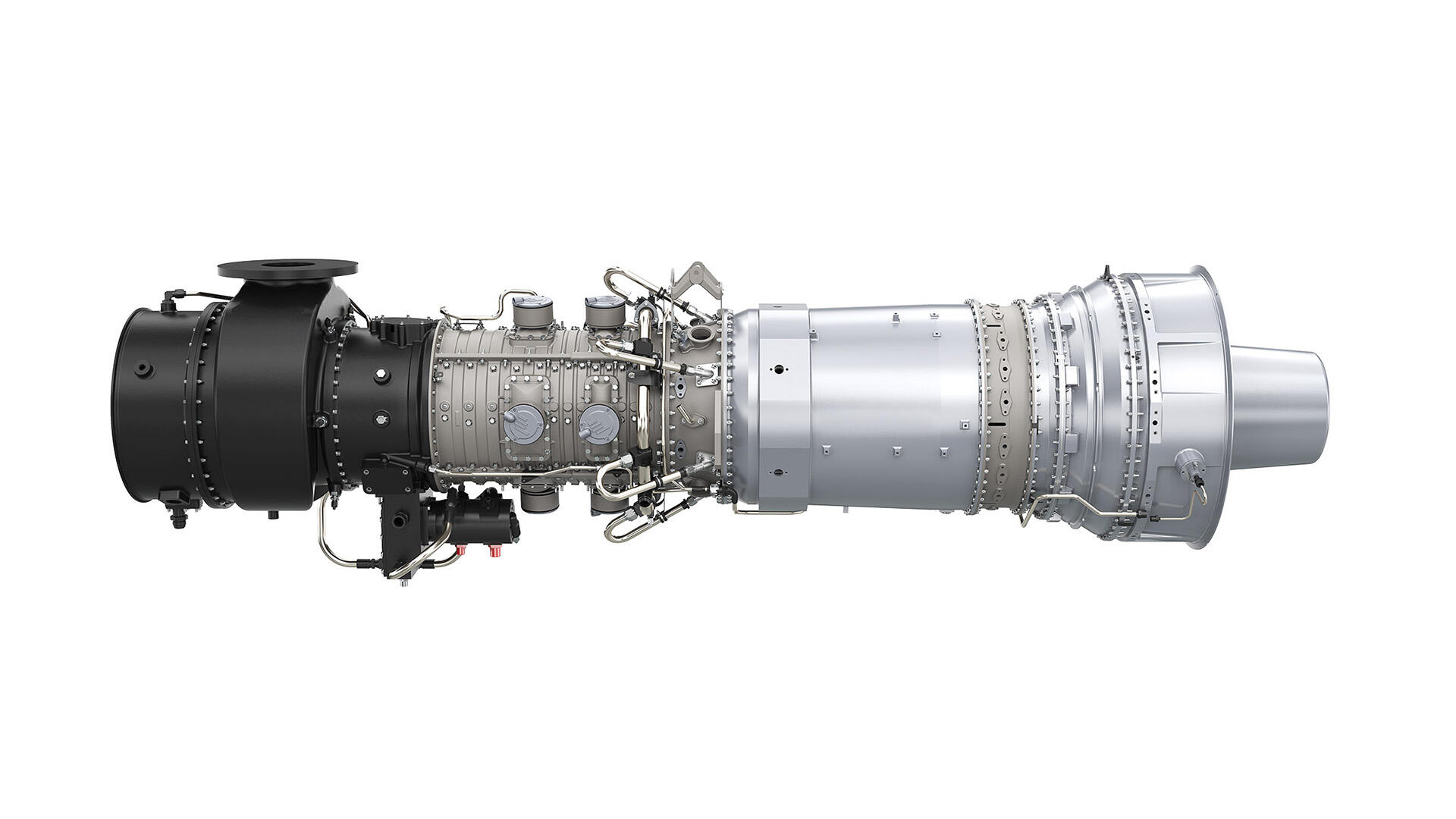
Elon Musk’s xAI has already integrated eight ProEnergy-rebuilt GE jet turbines at its Memphis Colossus 2 facility. Similarly, OpenAI is utilizing gas turbines for its Stargate site in Abilene, Texas, through a project managed by Crusoe. While these engines are less efficient and generate higher emissions than purpose-built power plants, they serve as a stopgap in an industry where grid expansion has failed to keep pace with the AI buildout. With the current administration encouraging self-generation, these repurposed engines are becoming a defining feature of the race to scale computing power.
Comments (0)
No comments yet. Be the first!