A cloud of political anxiety and geopolitical friction hung over Wall Street on Tuesday, as U.S. markets finished mixed ahead of midterm election results. Investors remained locked in a standoff, weighing the potential for a regulatory crackdown on artificial intelligence against persistent instability in the Middle East.
The Dow Jones Industrial Average slipped 0.38% to 51,786.72, while the S&P 500 managed a 0.36% gain to 7,568.92. The tech-heavy Nasdaq Composite led the recovery, climbing 0.83% to 25,372.01. Despite the index gains, bond markets signaled rising unease; the 10-year Treasury yield climbed to 4.951%, marking its sharpest ascent since late September as traders braced for the outcome of the midterms.
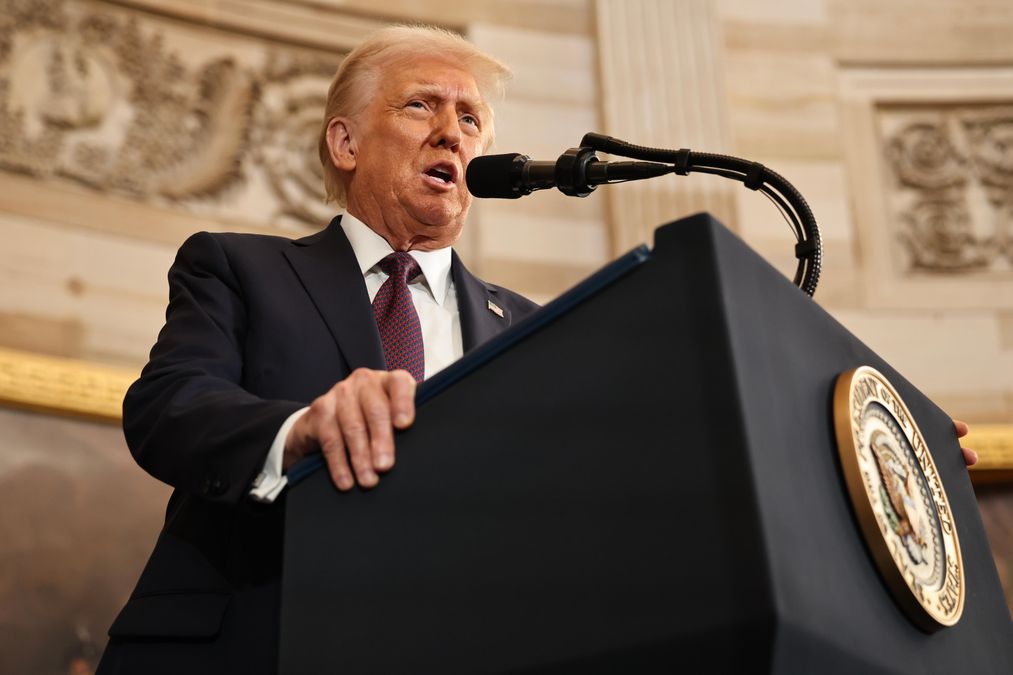
Geopolitical tensions added further pressure, with oil futures dipping 0.4% to $96.09 a barrel following U.S. military strikes on Iran’s Qeshm Island. While President Trump signaled a potential path toward peace negotiations, the lack of progress regarding the Strait of Hormuz kept commodity traders on edge. Gold also retreated, sliding 0.7% to $3,927.90 per troy ounce.
Beneath the surface, a fierce debate over the sustainability of the AI boom continues to divide institutional investors. Elliott Investment Management, led by Paul Singer, likened current speculative fervor to the 1920s, citing excessive reliance on margin debt and derivatives. Conversely, analysts at UBS remain bullish, pointing to robust demand for infrastructure equipment as a buffer against a broader market correction. Corporate performance remained equally fragmented: while Oracle shares surged 5.8% despite lingering concerns over its financing transparency, Apple fell 1.9% on weakening profit margin projections. Meanwhile, Marathon Petroleum reported a massive fivefold jump in quarterly net income, bolstered by high fuel prices and a $4.2 billion deal to offload two refineries to CVR Energy.

Comments (0)
No comments yet. Be the first!