In section Startups & Technology

At least 10 communities move to curb or drop Flock cameras

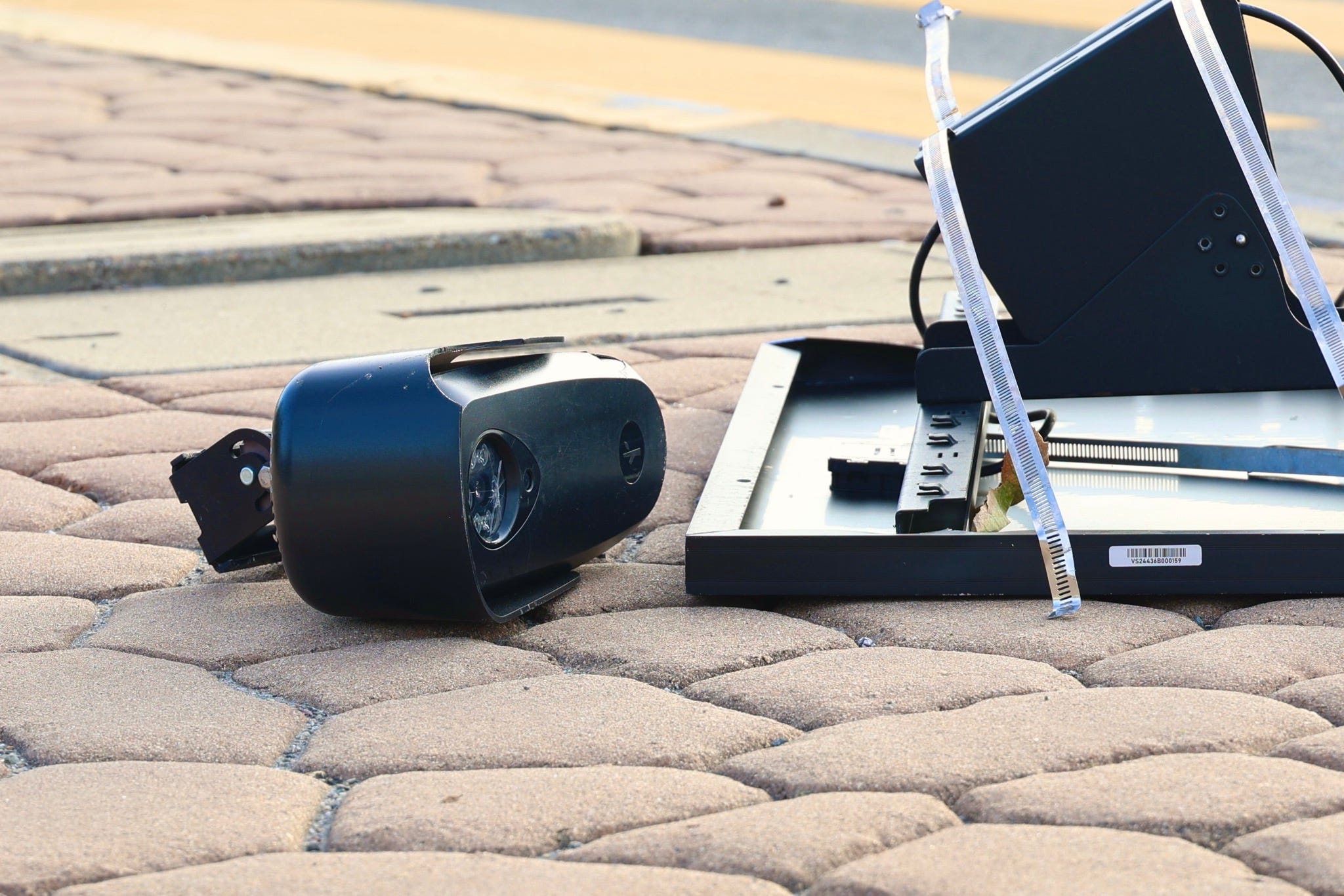
At least 10 local governments and police departments have moved since summer to restrict or end their use of Flock Safety surveillance technology, amid rising concerns over privacy, data sharing and oversight. The decisions span several states and include contract cancellations, planned withdrawals and a League City, Texas, vote against continued use.

At least 10 communities move to curb or drop Flock cameras

Flock, founded in 2017, sells license plate readers, drones and microphone-based devices that use edge computing to detect gunshots and other sounds. The company says its tools help solve crimes, find missing people and recover stolen cars. More than 100,000 Flock cameras are in use across the United States.

In the past three months, Monroe, Ohio; Newburgh, New York; Richmond, Virginia; Hopkinton and New Bedford, Massachusetts; and Lansing, Michigan, moved to end contracts with the company. Police in East Bridgewater and Grafton, Massachusetts, have also announced plans to stop using its cameras. League City residents voted this week against continued use of the department’s license plate readers, which are set to be removed. Asheville, North Carolina, ended its contract in August, while the El Paso County Sheriff’s Office in Colorado said in September it would discontinue use. Sheriff Joseph Roybal said the county could locate and apprehend criminals without Flock.

The objections include privacy, procurement and uncertainty over who can access camera data. In August, an officer in Brentwood, Missouri, was accused of using the system to stalk his ex-wife; in September, an East Texas officer was sentenced to prison for using Flock to stalk his ex-girlfriend and her family. Ithaca, New York, cited reports of federal agents using Flock data without authorization when it passed a resolution to terminate its contract in March. The city said reports indicated that ICE and the Bureau of Alcohol, Tobacco, Firearms and Explosives had used database searches to investigate immigrants. Flock told TechCrunch it has no contract with ICE, does not sell data, and that customers own their data and control sharing and use.

The company said in August it would reduce the default retention period for new customers from 30 days to seven and require a case code for database searches. Flock also argues that removing the technology can undermine public safety. Tatiana Rice of The Future of Privacy Forum told TechCrunch that visible cameras can make surveillance concerns more tangible. Adam Schwartz of the Electronic Frontier Foundation said police departments sometimes adopted the systems with little public awareness or city council oversight. In South Windsor, Connecticut, cameras went live last year without public warning or a vote; the town voted to remove them in October.

Some communities are keeping Flock while tightening controls. Cleveland extended its contract this summer but restricted immigration-related searches and limited database access to city police, cutting off the Northeast Ohio Regional Fusion Center. The city said its public safety department is reviewing proposals from other vendors. At the state level, Florida barred license plate readers from state highways this summer, and Texas paused state funding for Flock. Federal proposals have also emerged: Rep. Thomas Massie introduced the Flock-Off Act in September, while Sen. Bernie Sanders, Rep. Alexandria Ocasio-Cortez and Sen. Jeff Merkley introduced the Ban Flock Act in October.

Share:on TelegramXFacebook

Subscribe to our newsletter

Once a week — the best stories from our editors, no ads or push notifications. Delivered Sunday morning.

Comments (0)

Leave a comment

No comments yet. Be the first!