Plurai raises $13 million to test AI agents in company simulations
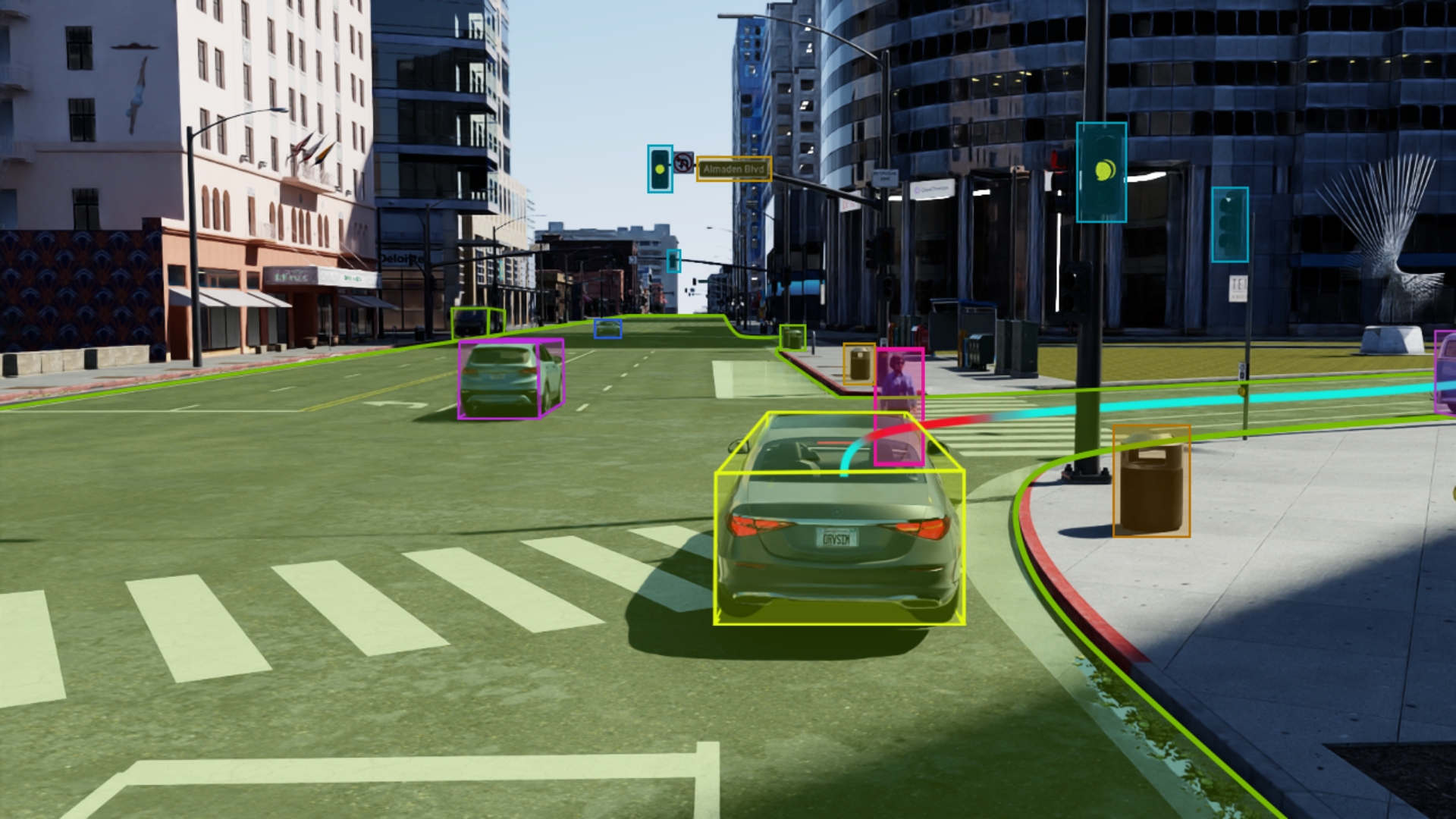
AI agents can perform well on benchmarks yet still stumble over company policies, tangled databases and long customer-service conversations. Startup Plurai says it will use simulations built from a company’s own digital systems to expose those failures, drawing on methods its founders used in autonomous driving.
By Business Faces·November 11, 2026·2 min read·121 reads
The company announced Wednesday that it raised $13 million in seed funding. Team8 led the round, with participation from U&I, Velocity and Mercer. Plurai was founded by Ilan Kadar and Elad Levi, who previously worked at autonomous-driving technology company Nexar. Kadar also worked with Waymo on simulating and evaluating end-to-end deep-learning driving software.
Plurai creates a digital twin of a company’s electronic systems, including the knowledge base and tools available to an agent in production. It maps possible agent workflows and uses that graph to evaluate models and prepare fixes for edge cases. The platform works alongside tools including Claude Code, Codex, Copilot and Cursor.
The need for testing is underscored by recent results. LiveBench 2.0 found Claude Fable 5.2 and ChatGPT-6 Astra completed 82.9 and 75.6 of 100 tasks, respectively. In a separate test by AI infrastructure company EON, Claude Opus 4.8 achieved 76.8% accuracy in a simulated corporate environment.
Kadar said Plurai’s larger ambition is to use the data it collects to post-train small, open-weight models for individual customers. Tests conducted with Nvidia and Nebius, the company said, showed its models outperforming mid-tier frontier models at lower cost. Kadar said simulation lets the company break a task into smaller pieces, train a model and check whether its quality matches or exceeds a frontier model, while reducing costs by an order or two of magnitude.
Reah Miyara, a Google DeepMind researcher and Plurai angel investor, said the startup’s advantage lies in identifying production failure modes and generating synthetic data to tune models. She said businesses are finding that frontier models may not fit their specific data and can be too costly to sustain. Kadar argued that even more capable general models will not know each customer’s business and policies.

Comments (0)
No comments yet. Be the first!