
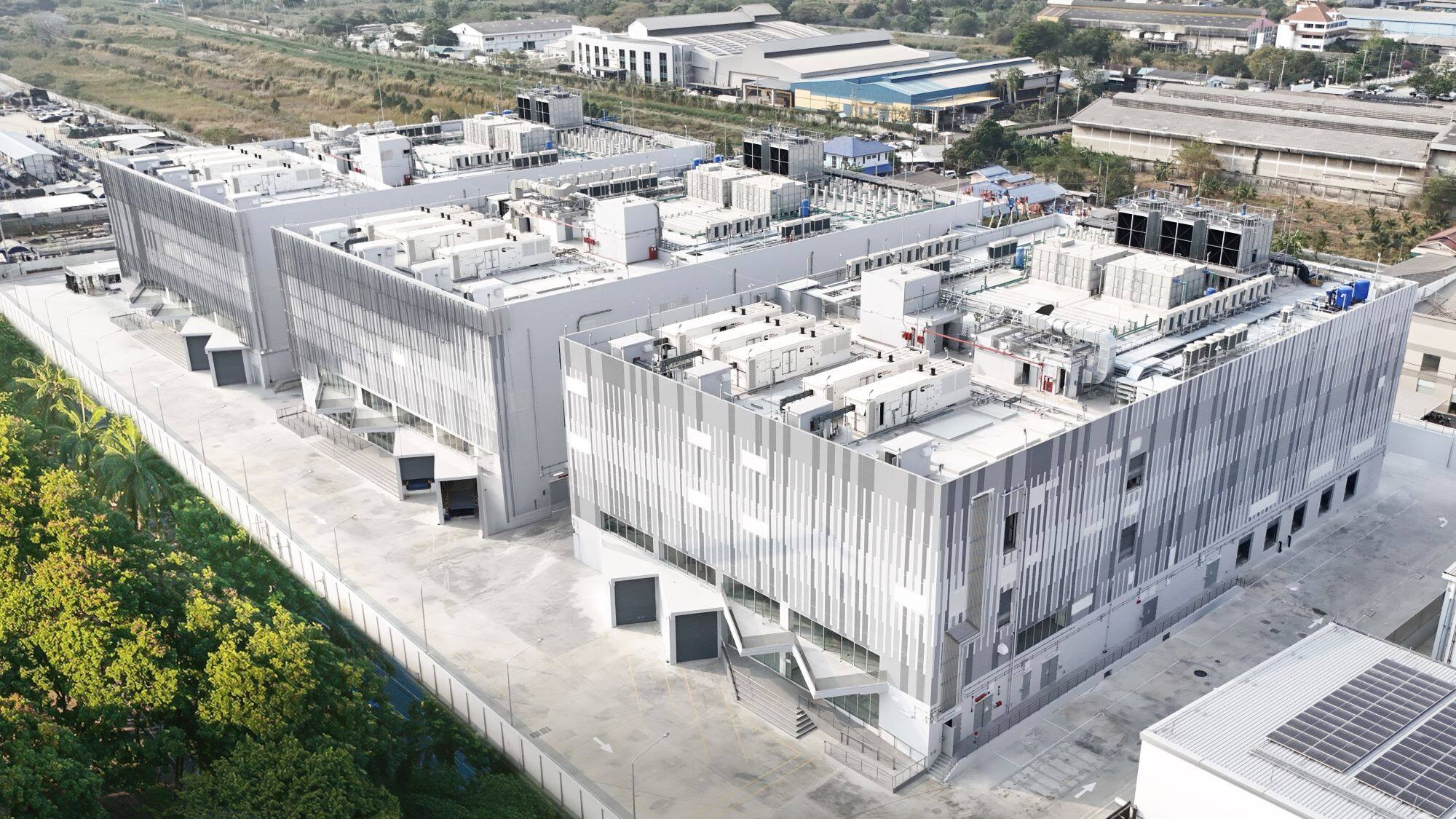
Marx discusses the issue in his new book, “Hyperscale,” which examines data centers and generative AI. In an interview with TechCrunch, he called the buildout “fundamentally unsustainable” and “completely out of line with a livable planet.” He said opposition to data centers is part of wider resistance to technology’s physical presence, including Flock cameras, Meta smart glasses and Waymo self-driving cars.
The book’s reporting took Marx inside a data center in New Zealand after companies he contacted often failed to respond or turned him down. He said entry required submitting his passport in advance, and every door inside the facility was locked behind key-card access. The server room, rather than seeming sinister, was utilitarian: warm, cooled by air-conditioning vents and loud enough that earplugs would be useful for an extended visit.
Marx said earlier disputes helped draw his attention to the industry’s local effects. In Chile, communities raised concerns about water access as Google and Microsoft built facilities near Santiago. In Ireland, data centers consume more than 20% of the country’s electricity, according to the interview; pressure on the grid led its operator to impose a moratorium on connections for data centers around Dublin in 2022. In The Dalles, Oregon, Google’s water use became contentious as the company sought to expand. After a journalist asked the city for records, Google sued; about a year later, the company disclosed that it used 29% of the city’s water.
Comments (0)
No comments yet. Be the first!