
The diplomatic friction follows a recent White House order blocking Anthropic from exporting its Mythos 5 and Fable 5 models. Despite security claims regarding bypassed guardrails, the move ignited fears that reliance on American firms carries an inherent risk of arbitrary shutdowns. For international governments and businesses, this creates a precarious environment where foundational technology can be revoked without warning or transparent justification.
In section Startups & Technology
G7 Leaders Challenge U.S. Control Over AI Access
French President Emmanuel Macron and Indian Prime Minister Narendra Modi have confronted the Trump administration over the vulnerability of international AI infrastructure. At the G7 summit, they warned that the U.S. ability to unilaterally terminate access to advanced models threatens the economic stability and digital sovereignty of their nations.
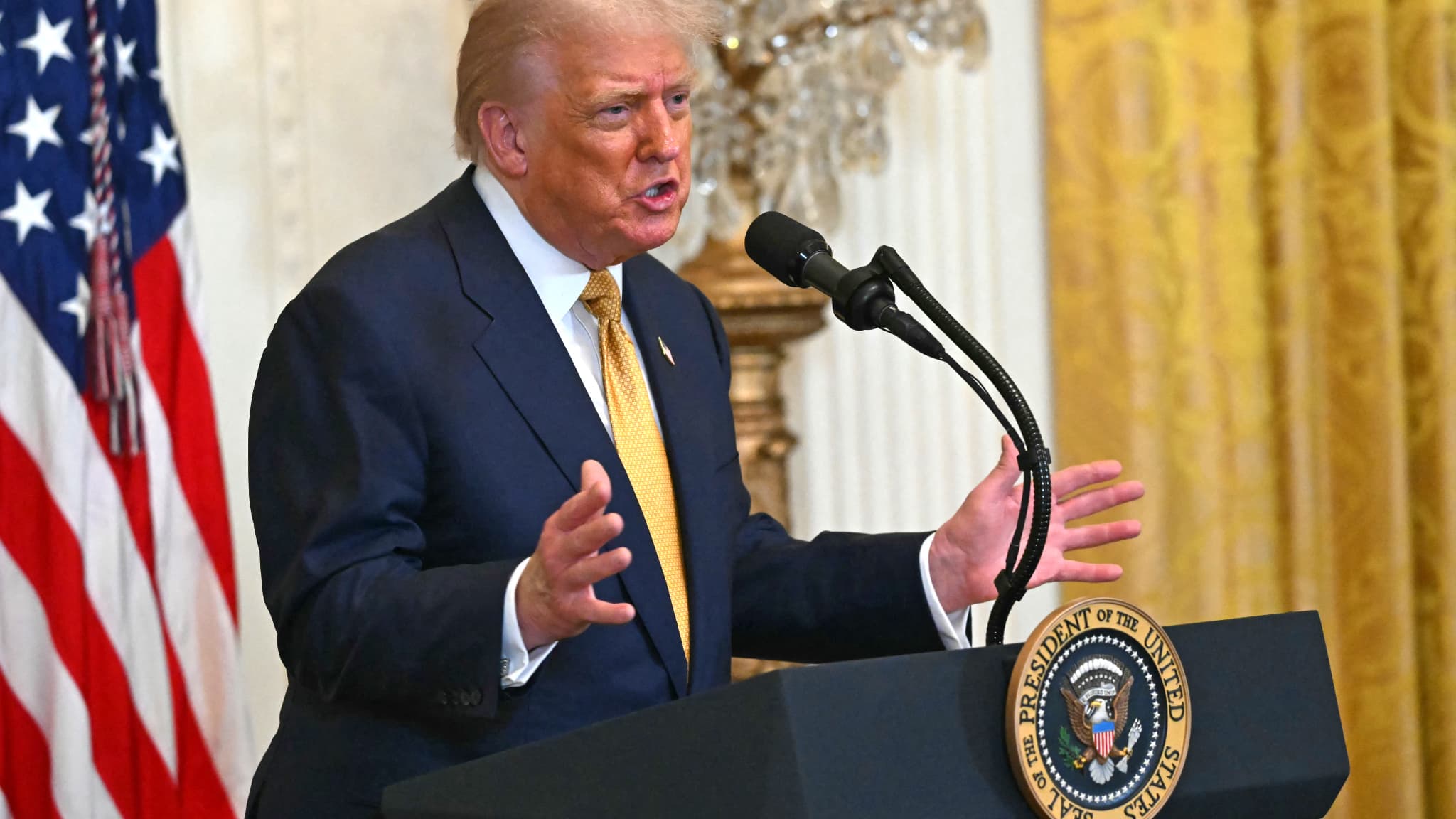
During the summit, leaders discussed a potential "trusted partners" scheme designed to create a more resilient trade network for AI. The proposal seeks to provide non-U.S. nations with guaranteed access to models from firms like OpenAI and Anthropic, provided the technology is leveraged to bolster defenses against rivals like China. However, skepticism remains regarding the scope of such agreements and whether they can truly mitigate the risk for foreign startups suddenly cut off from their primary software tools. Aidan Gomez, CEO of Cohere, emphasized that the current dependency on a few U.S. tech giants undermines national resilience, arguing that digital sovereignty requires a shift away from singular control over the technologies shaping future economic security.
Comments (0)
No comments yet. Be the first!