Choosing Between Heat Pumps, Furnaces, and Hybrid Systems
For homeowners facing a climate-controlled dilemma, the choice between a heat pump, a furnace, or a hybrid system hinges on more than just initial price tags. Jason Baehr, owner of BAEHR Heating & Air in Grass Valley, California, outlines how regional weather and long-term energy efficiency dictate the best equipment investment.
By Corp and Tech·June 18, 2026·2 min read·2,073 reads
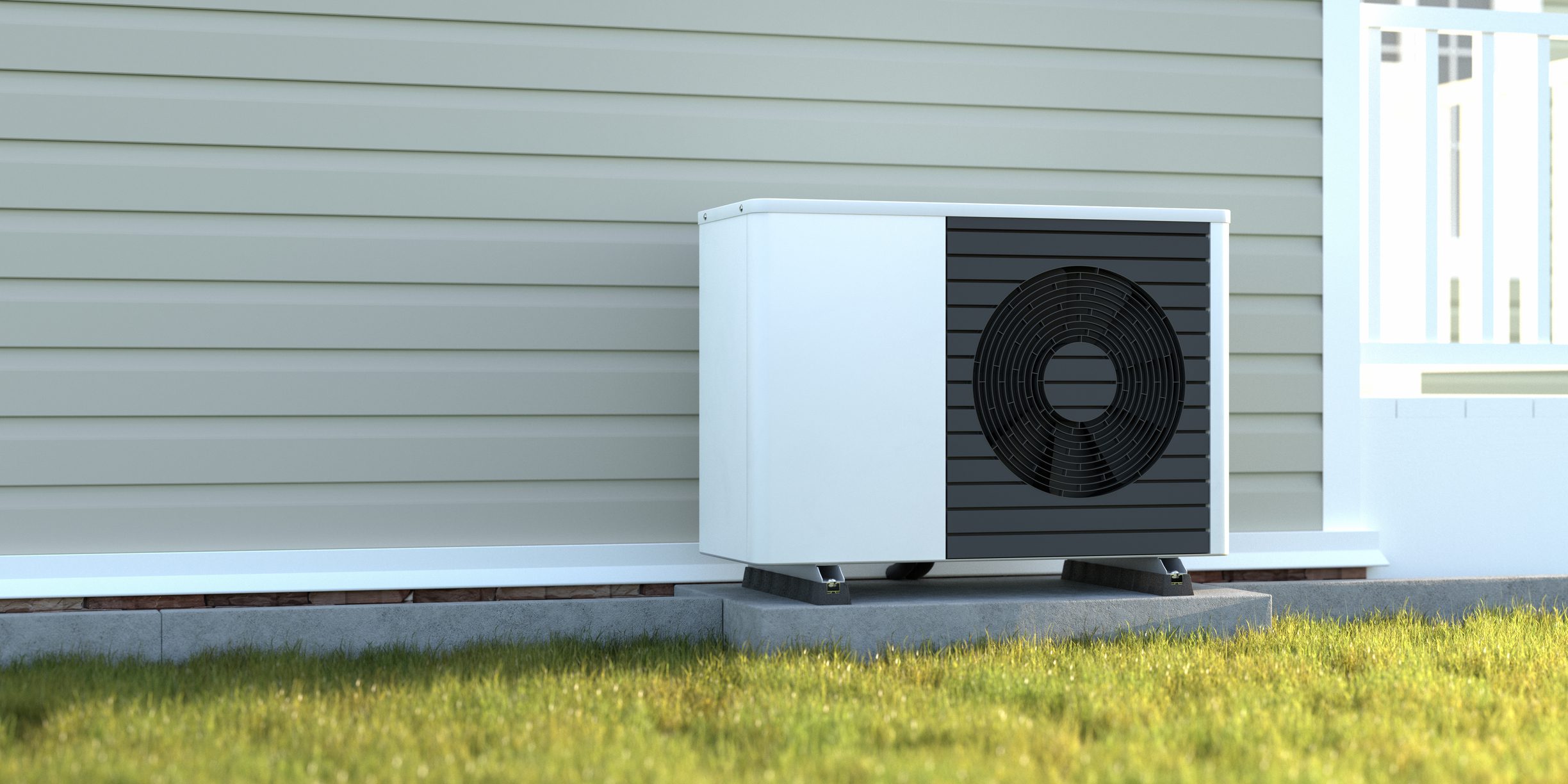
A heat pump functions by transferring heat rather than generating it, moving warmth from the outdoor air inside during winter and reversing the cycle for summer cooling. This mechanism often leads to significant energy savings in moderate climates. While modern technological advancements have bolstered cold-weather performance, these systems remain most effective where temperatures do not stay below freezing for extended periods.
Conversely, a furnace provides consistent, high-intensity heat, remaining the gold standard for regions prone to severe winters. Because furnaces rely on combustion—using gas, oil, or propane—they operate independently of outdoor temperature fluctuations. However, homeowners must factor in the additional cost of a separate air conditioning unit, as furnaces lack cooling capabilities.
For those seeking a compromise, the hybrid system links a heat pump with a furnace. The equipment automatically toggles between the two based on external conditions, utilizing the efficient heat pump during mild weather and engaging the furnace when temperatures plummet. Although this dual-approach requires a higher upfront installation cost, it offers long-term flexibility against shifting energy prices and ensures comfort regardless of the season. Regardless of the system chosen, regular professional maintenance remains the primary defense against system degradation and unexpected repair bills.

Comments (0)
No comments yet. Be the first!