
The shift away from conventional, high-intensity farming is driven by the reality of shrinking resources and unpredictable weather patterns. Growers are increasingly adopting biological treatments, controlled-release fertilisers, and advanced seed coatings to boost crop vigour. This transition aims to build long-term soil resilience while optimising nutrient-use efficiency at every stage of plant development.
In section Releases
Global Agricultural Inputs Market Set for $11.5 Billion Valuation
The global market for seed and fertiliser treatments is poised to climb from $7.98 billion in 2025 to $11.52 billion by 2032. Faced with climate volatility and declining soil health, farmers are pivoting toward integrated agronomic solutions to maintain productivity without over-relying on traditional input intensification.
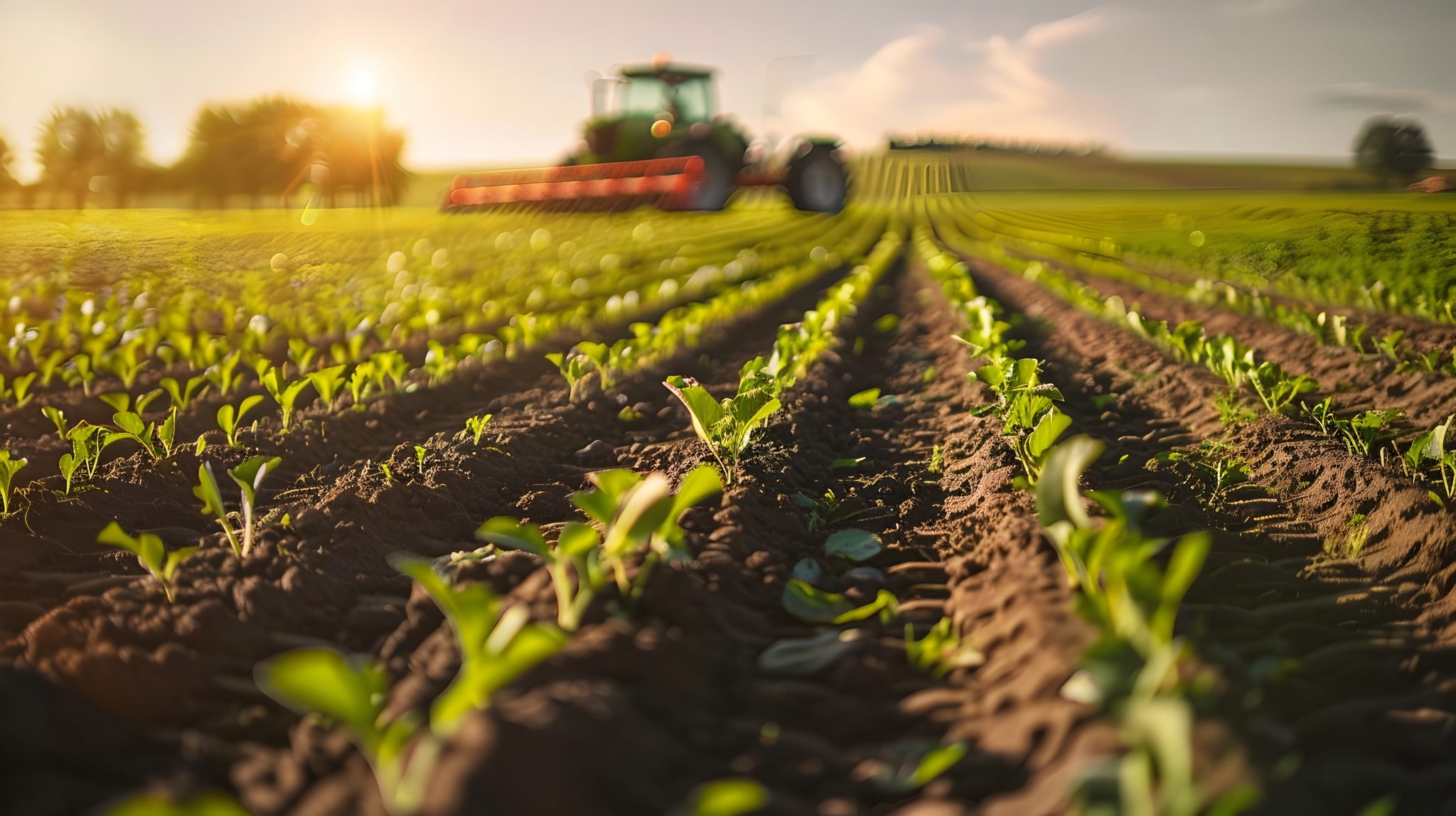
Brian Balmer, practice area leader at Frost & Sullivan, notes that while the industry faces significant hurdles, the necessary technological solutions for a sustainable future are already accessible. Regional adoption remains uneven: the Americas and Europe currently lead in precision agriculture, while the Asian market presents a vast, untapped frontier for efficiency-driven soil health technologies. As the sector matures, the integration of data-driven analytics with biological innovation will likely define the next generation of farming practices.
Comments (0)
No comments yet. Be the first!