
The migration toward outpatient settings is largely fueled by systemic pressure to optimize costs without sacrificing quality. In the United States, the Centers for Medicare & Medicaid Services has expanded its list of covered procedures, incentivizing providers to move complex surgeries out of traditional hospitals. Similar reimbursement reforms and day-surgery initiatives are gaining momentum across Europe, creating a standardized push toward efficiency.
In section Releases
Ambulatory Surgical Centres Emerge as Pillars of Global Healthcare
A 30% surge in the global ambulatory surgical centre market is expected by 2029, signaling a definitive shift in how medical systems manage patient care. As hospitals face mounting surgical backlogs, these outpatient facilities are transitioning from supplemental providers to the core of modern clinical infrastructure.
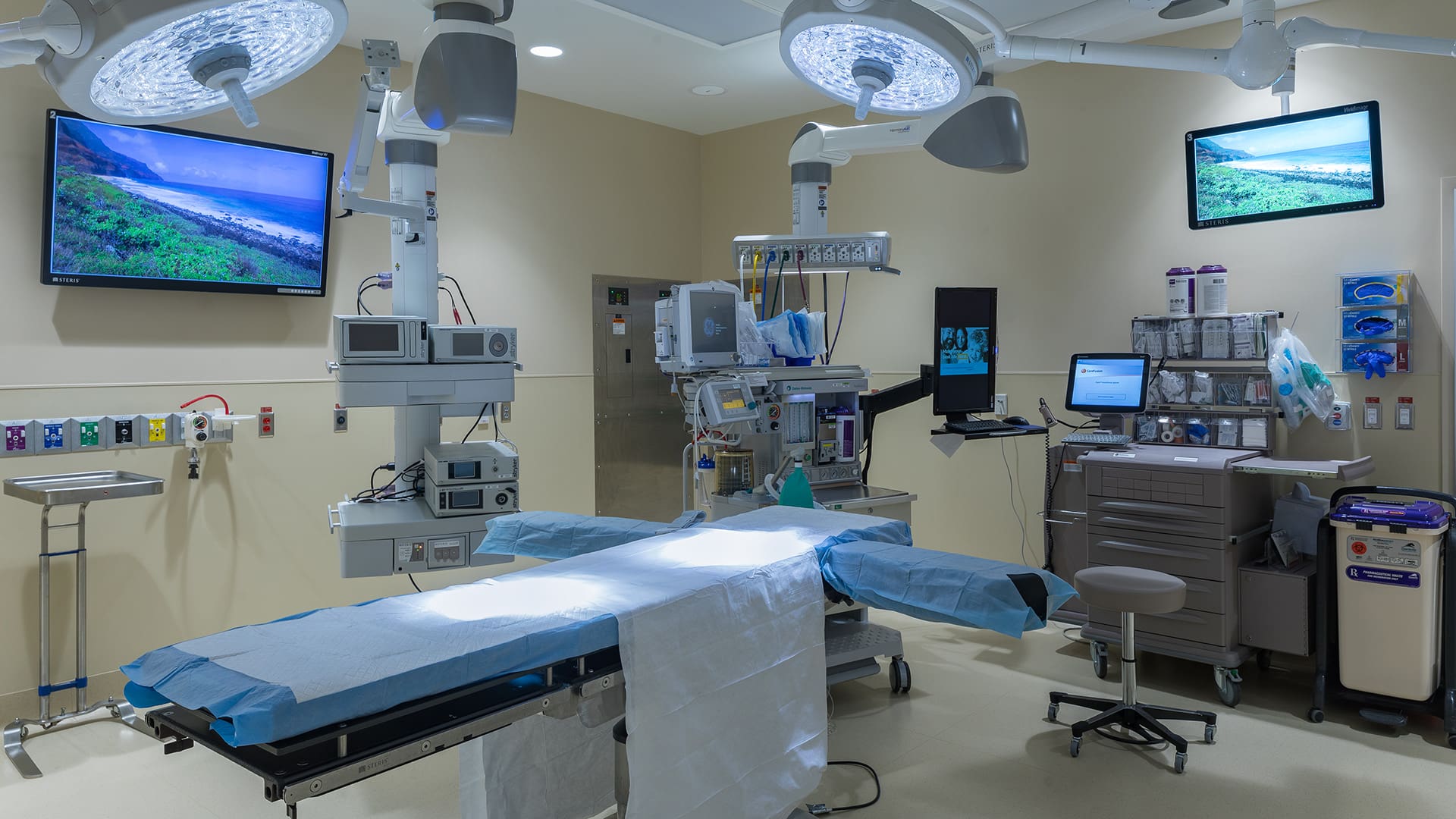
As these centres take on higher-acuity specialties—including orthopaedics, cardiovascular interventions, and spine procedures—the operational demands are rising. Modern operators are no longer just purchasing equipment; they are seeking technology partners that can integrate workflow intelligence, patient monitoring, and data connectivity. Paljit Sohal, Vice President at Frost & Sullivan, notes that the most successful providers are those capable of streamlining the entire surgical journey, from perioperative care to discharge. This evolution forces a move away from capital-cost-focused procurement toward investments that demonstrably boost workforce productivity and patient throughput.
Comments (0)
No comments yet. Be the first!