
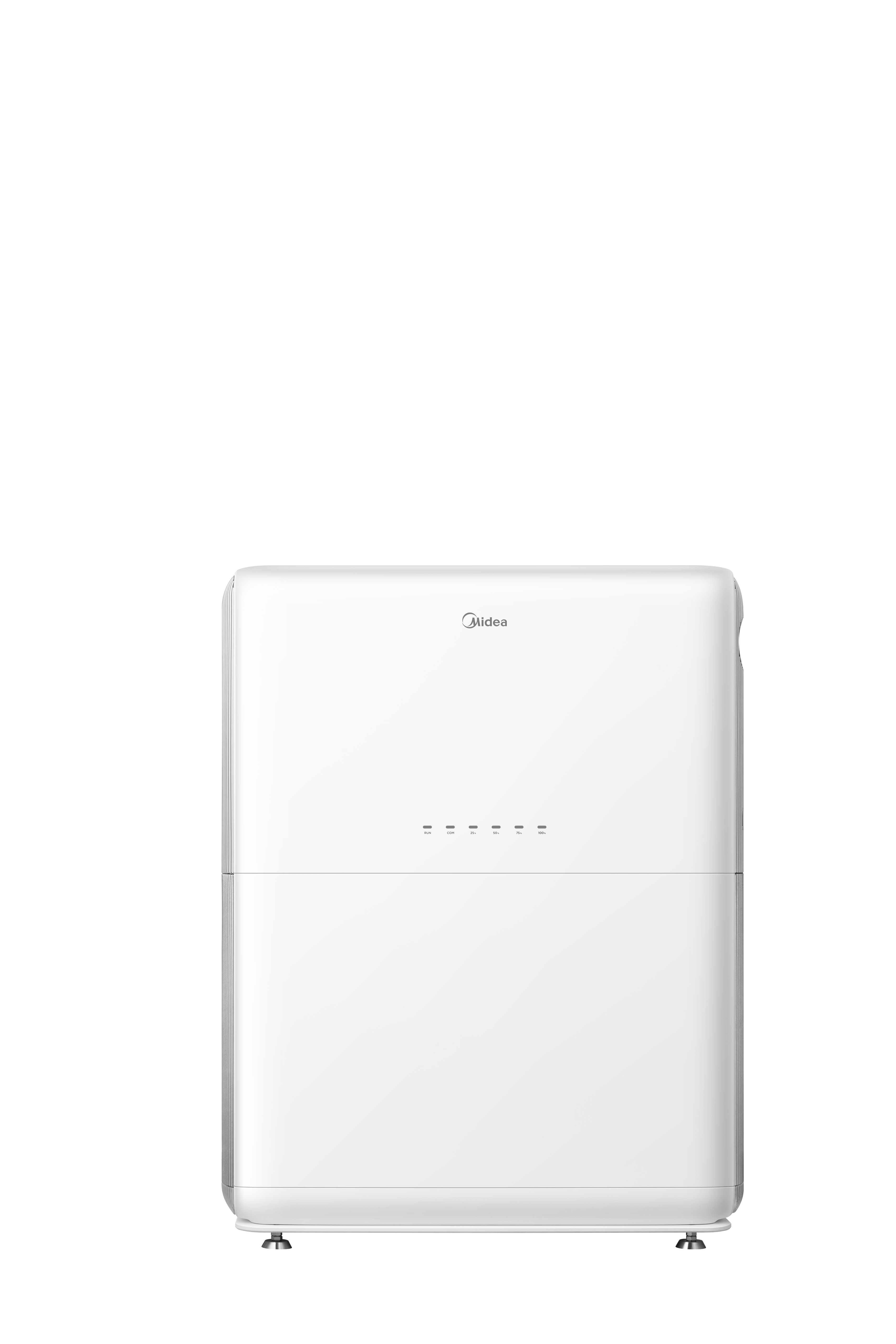
The European storage landscape is currently grappling with a surge in demand fueled by AI data center expansion and volatile electricity pricing. However, industry insiders warn that a glut of inexpensive hardware often fails to pass rigorous insurance and grid-code requirements once installed. Distributors report that initial cost savings frequently evaporate when systems fail to integrate with local safety frameworks, such as Germany’s KRITIS critical infrastructure law.
To bridge this gap, Midea Energy has leaned into its Hiconics and CLOU brands to offer localized compliance and sophisticated system control. By partnering with organizations like the Fraunhofer Institute, the company adapts its software and cybersecurity features to meet strict regional mandates. For residential users, the iEasyEnergy platform addresses the common frustration of siloed technology by unifying solar, storage, and EV charging within a single AI-driven interface. Meanwhile, the commercial Aqua series has gained traction through high-tier certifications and millisecond-level grid response capabilities.
Comments (0)
No comments yet. Be the first!