
Geofence warrants, often described as "reverse" search warrants, allow police to cast a wide digital net over a specific geographic area and timeline, forcing companies like Google to identify every user present. The Court rejected the argument that such data is voluntarily shared with third parties, asserting that the Fourth Amendment’s protections against unreasonable searches apply to the location histories stored by tech providers. While the decision stops short of a total ban, it forces investigators to move beyond "searching first and developing suspicion later."
In section Startups & Technology
Supreme Court Curbs Geofence Warrants in Privacy Landmark
The U.S. Supreme Court ruled 6-3 on Monday that individuals maintain a reasonable expectation of privacy in their cellphone location data, effectively requiring law enforcement to secure a search warrant based on probable cause before demanding geofence information from tech companies.
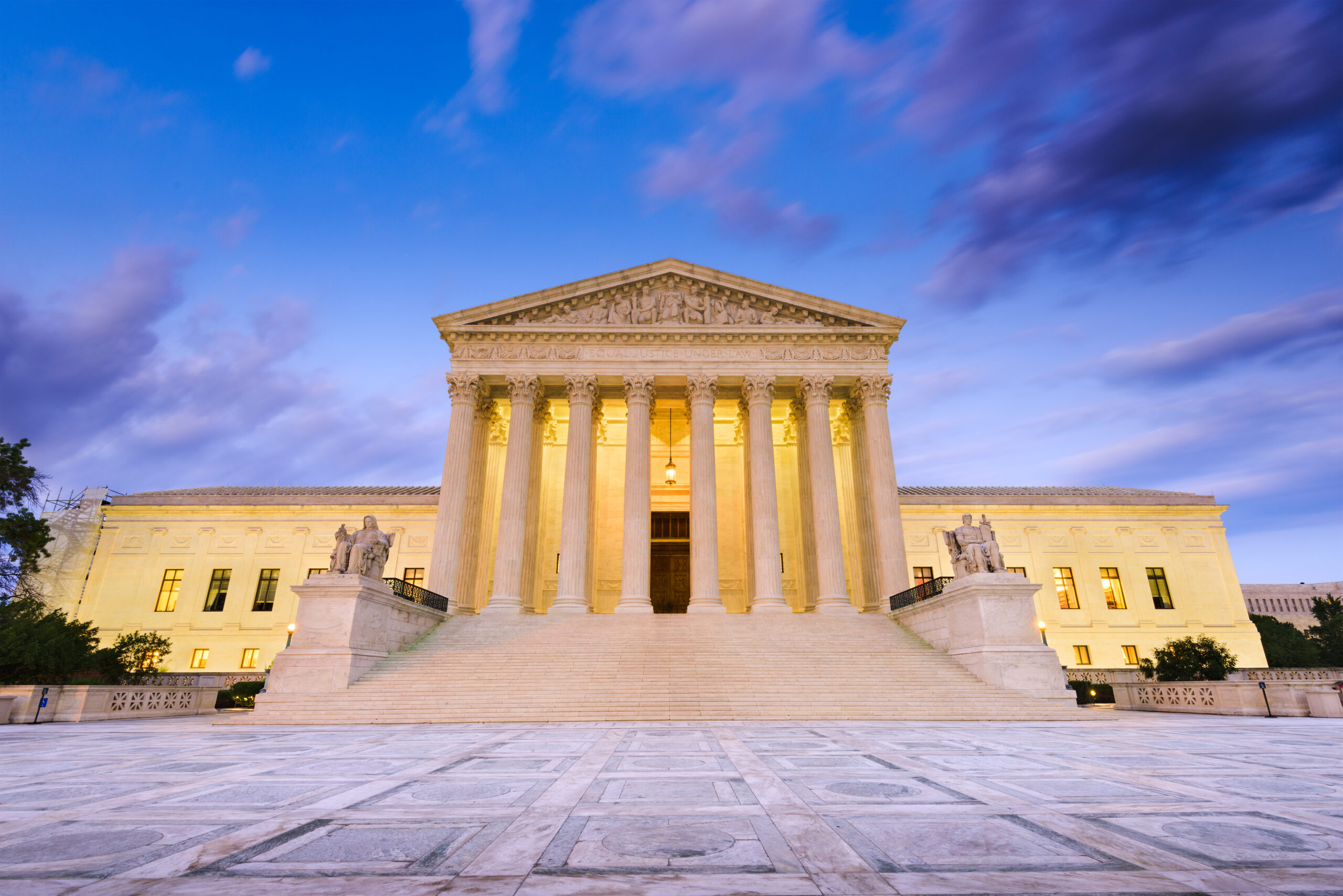
The ruling stems from Chatrie v. United States, involving Okello Chatrie’s challenge to evidence used in his bank robbery trial. Although the Court declined to overturn Chatrie’s conviction—citing the "good faith" exception for police conduct—it remanded the case to the Appeals Court to determine if the specific warrant used met the new probable cause standard. Tech giants including Microsoft, Uber, and Yahoo remain frequent targets for these requests, though some firms have shifted toward on-device storage to limit the data accessible to investigators.
Comments (0)
No comments yet. Be the first!