
The court’s ruling in Trump v. Slaughter invalidates the 1935 Humphrey’s Executor standard, which had historically shielded commissioners at agencies like the Federal Trade Commission from arbitrary dismissal. Chief Justice John Roberts, writing for the majority, argued that the previous framework failed to account for the reality that independent agencies exercise executive power and must remain accountable to the president. The decision allows for the immediate removal of officials who do not align with the administration’s political agenda.
In section Newsroom
Supreme Court Grants President Unchecked Power Over Independent Agencies
In a 6-3 decision, the U.S. Supreme Court overturned 90 years of legal precedent on Monday, granting the president the authority to remove heads of independent federal agencies at will. The ruling effectively dismantles the long-standing "for-cause" removal standard, sparking warnings of a fundamental shift in executive power.
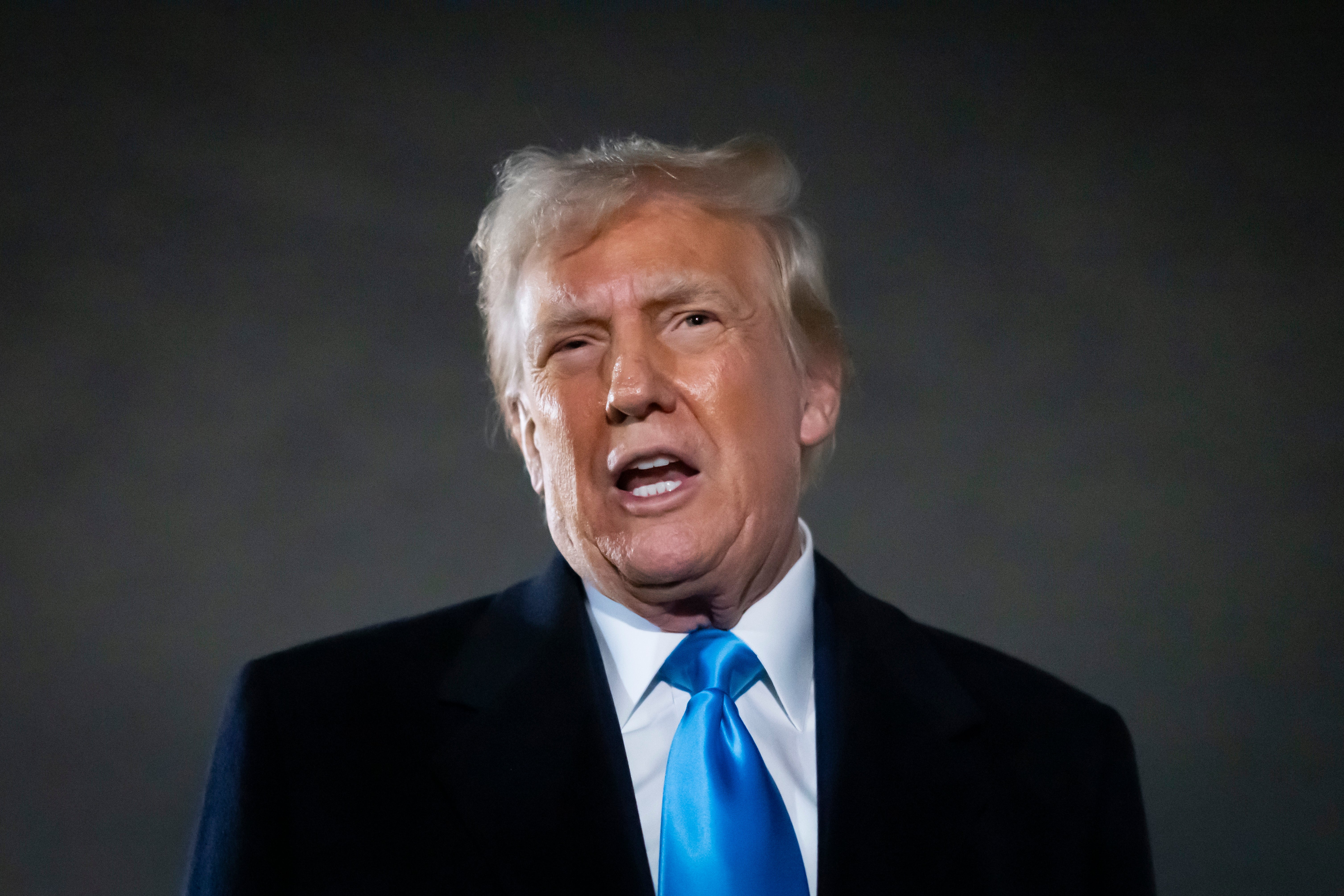
Justice Sonia Sotomayor delivered a sharp dissent from the bench, describing the ruling as a departure from centuries of political practice that elevates the president above coequal branches of government. Critics, including Congressman Jamie Raskin, warned that the decision paves the way for a spoils system where expertise is replaced by personal loyalty. While the Court simultaneously blocked the president's attempt to remove a Federal Reserve governor in a separate 5-4 ruling, legal experts argue this carveout highlights a selective approach to institutional independence, prioritizing financial markets over consumer and labor protections.
Comments (0)
No comments yet. Be the first!