
As electronic components push performance limits, the necessity for efficient heat dissipation has shifted from a secondary consideration to a strategic industrial priority. Future Market Insights projects the market valuation will climb from USD 3.8 billion in 2026, driven primarily by the semiconductor and automotive sectors, which together account for over three-quarters of global demand. These industries require specialized materials to maintain reliability and extend the operational life of power electronics, GPUs, and battery arrays.
In section Releases
Thermal Interface Material Market Forecast to Hit USD 6.2 Billion by 2036
The global market for thermal interface materials is set to reach USD 6.2 billion by 2036, expanding at a 5.1% CAGR as the rapid proliferation of artificial intelligence, high-density data centers, and electric vehicles forces manufacturers to seek more robust solutions for managing heat within increasingly miniaturized electronic systems.
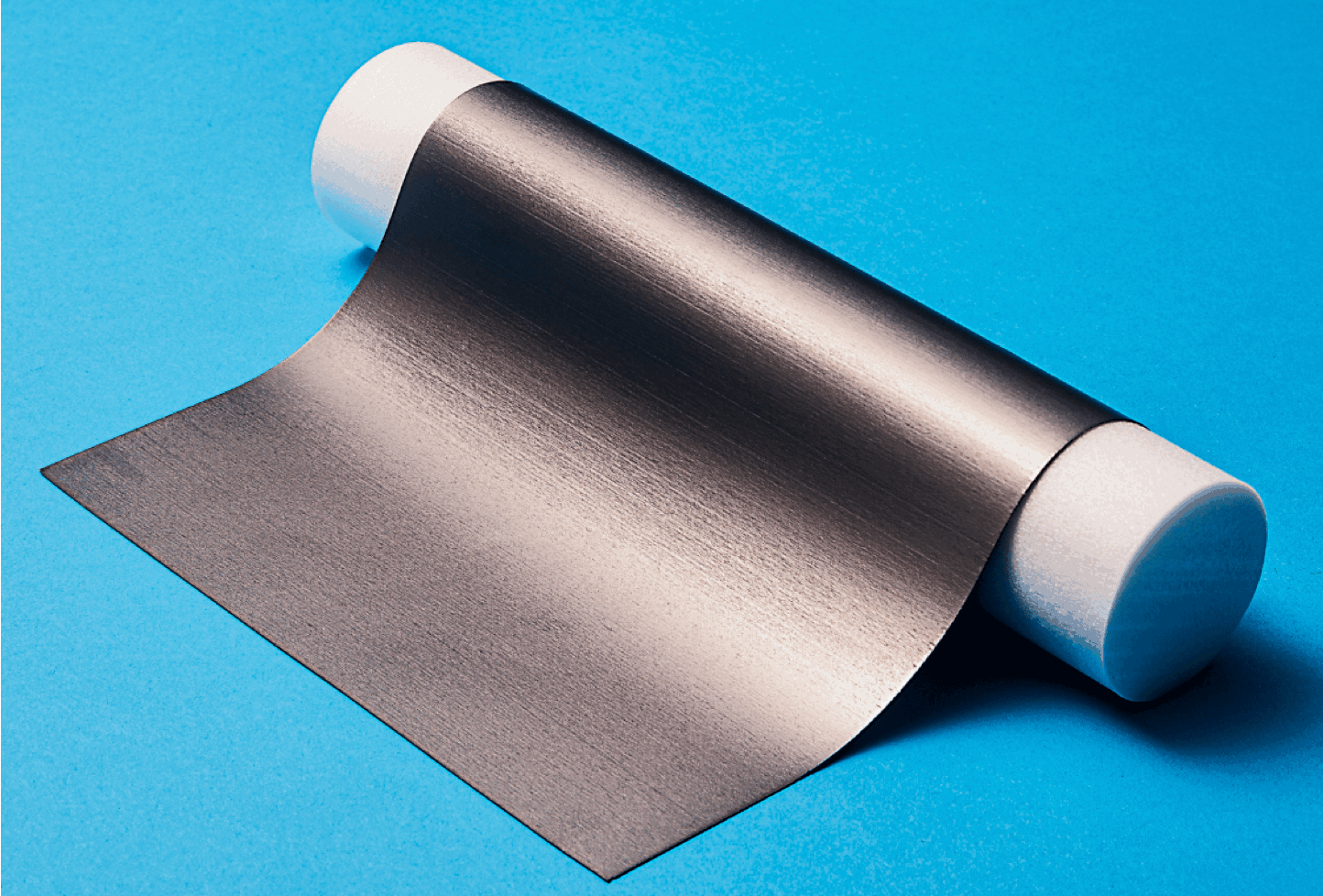
Thermal pads currently command the largest share of the material landscape at 38.6%, favored for their ease of integration and mechanical consistency in high-volume assembly lines. However, as operating temperatures rise, demand for advanced thermal pastes and phase-change materials is intensifying. Nikhil Kaitwade, a principal consultant at Future Market Insights, notes that suppliers who can balance high thermal conductivity with precise manufacturing compatibility will likely capture the most significant market share. Geographically, China maintains its position as the fastest-growing market, bolstered by its massive electronics manufacturing infrastructure and aggressive expansion into electric vehicle production.
Comments (0)
No comments yet. Be the first!