
For decades, clinicians working in interventional labs accepted radiation exposure and heavy protective apparel as inescapable hazards. This new directive, backed by groups including the Society for Cardiovascular Angiography & Interventions and the American College of Cardiology, signals a move to modernize safety standards. It challenges institutions to move beyond legacy practices, emphasizing that physician and staff well-being should be treated as a core component of clinical performance rather than an optional consideration.
In section Releases
Medical Societies Issue Landmark Radiation Safety Consensus
A coalition of six major medical organizations has issued a landmark consensus statement marking a significant shift in occupational safety for fluoroscopy-guided medicine. The guidelines formally recognize Enhanced Radiation Protection Devices as essential tools for mitigating scatter radiation and the orthopedic strain long endured by healthcare staff.
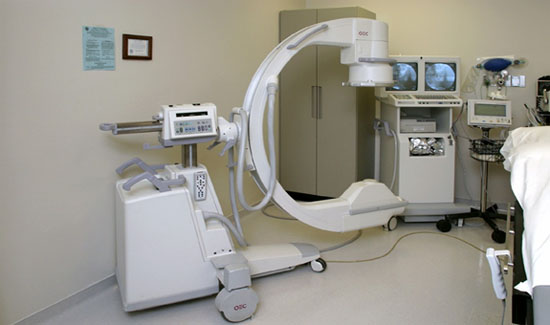
Salus Scientific, a developer of protective technologies, views the consensus as a mandate to accelerate the adoption of new engineering solutions. Dr. Kenneth Rosenfield, Chief Medical Officer at the firm, stated that the era of accepting these occupational risks as inevitable must end, as effective technologies now exist to protect the entire procedural team without sacrificing workflow efficiency. By updating the long-standing ALARA principle to reflect modern engineering capabilities, the document encourages healthcare systems to prioritize the long-term health of their workforce as a fundamental standard of care.
Comments (0)
No comments yet. Be the first!