
To initiate the setup, users record a short clip performing specific motions, such as tilting or turning their heads, which allows Google to map various facial angles. If access to a device or password is lost, the system compares a fresh recording against the initial file to verify the user. This mechanism is designed to combat sophisticated threats like deepfakes and automated bot attacks by requiring proof of a living subject rather than a static image or pre-recorded loop.
In section Startups & Technology
Google Introduces Selfie Video Verification for Account Access
Looking into a camera and nodding may soon replace traditional recovery methods for locked Google accounts. The tech giant is rolling out a selfie video authentication feature, tasking users with recording guided head movements to prove their identity against a previously stored biometric reference, signaling a shift toward liveness-based security.
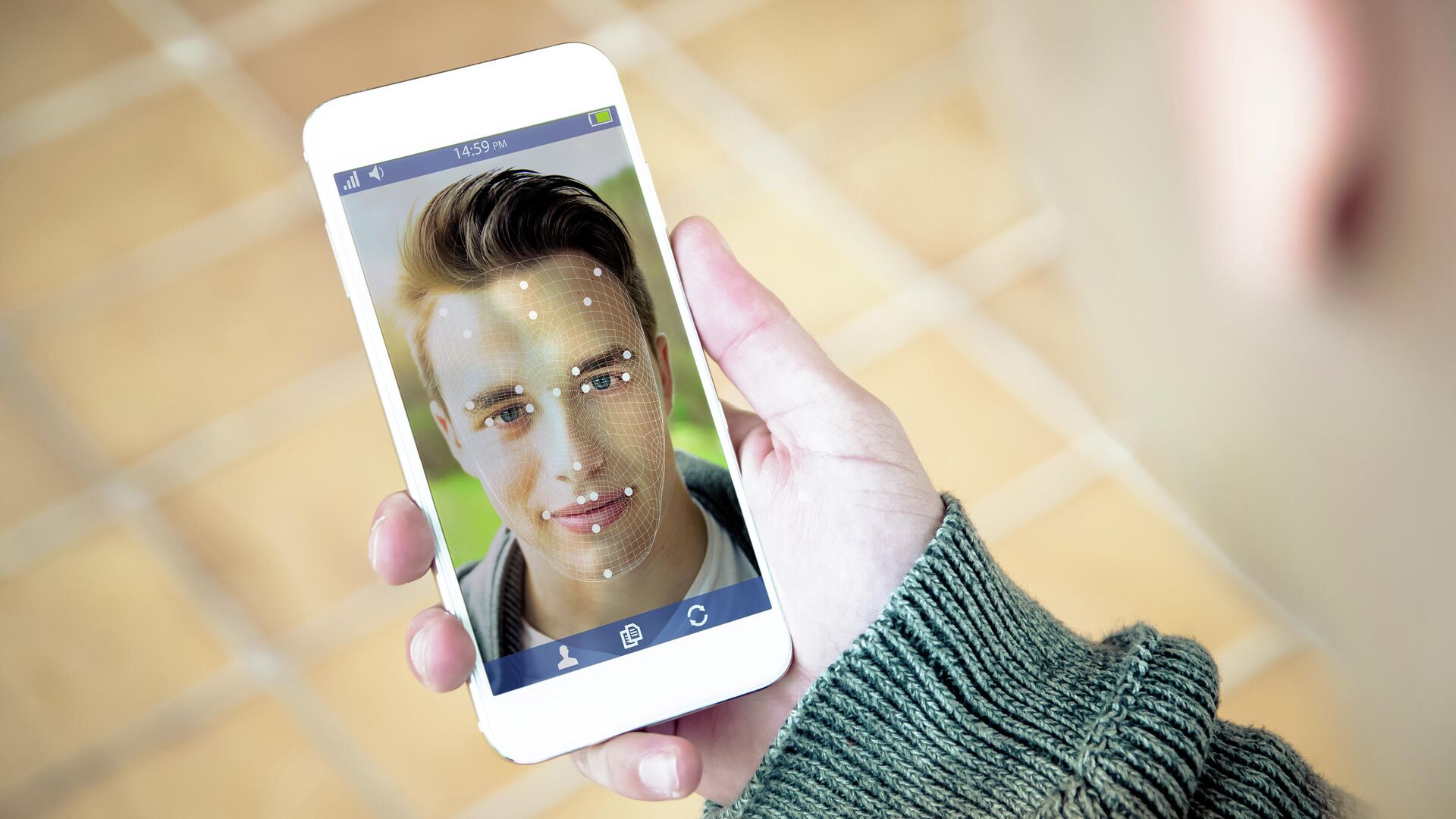
The adoption of these "liveness" checks reflects a broader industry pivot as AI-generated content makes traditional verification methods increasingly vulnerable. While the update aims to streamline account recovery, it arrives amid heightened regulatory scrutiny regarding the collection and storage of sensitive biometric data. Google maintains that these videos are encrypted and provides users with the option to delete their biometric files from their accounts at any time, attempting to balance security utility with individual privacy.
Comments (0)
No comments yet. Be the first!