
The filing outlines a deployment strategy beginning in 2028, positioning Amazon to leverage assets acquired from Globalstar to expand its reach. This ambition places the retail giant in direct opposition to SpaceX, which has already committed $20 billion to secure spectrum from EchoStar for its own mobile constellation. Despite the scale of these investments, the practical utility of satellite-to-mobile technology remains under scrutiny. T-Mobile CEO Srini Gopalan noted in May that satellite usage accounted for just 0.0002% of their total network traffic, suggesting the current demand is largely confined to remote areas like national parks.
In section Startups & Technology
Amazon Challenges SpaceX with Massive Satellite Network Proposal
Amazon has officially petitioned the Federal Communications Commission to authorize a 5,105-satellite network designed to bring cellular connectivity to mobile devices. By integrating Globalstar’s radio spectrum with its existing Project Kuiper broadband infrastructure, the company aims to aggressively contest SpaceX’s current dominance in the satellite-to-mobile market.
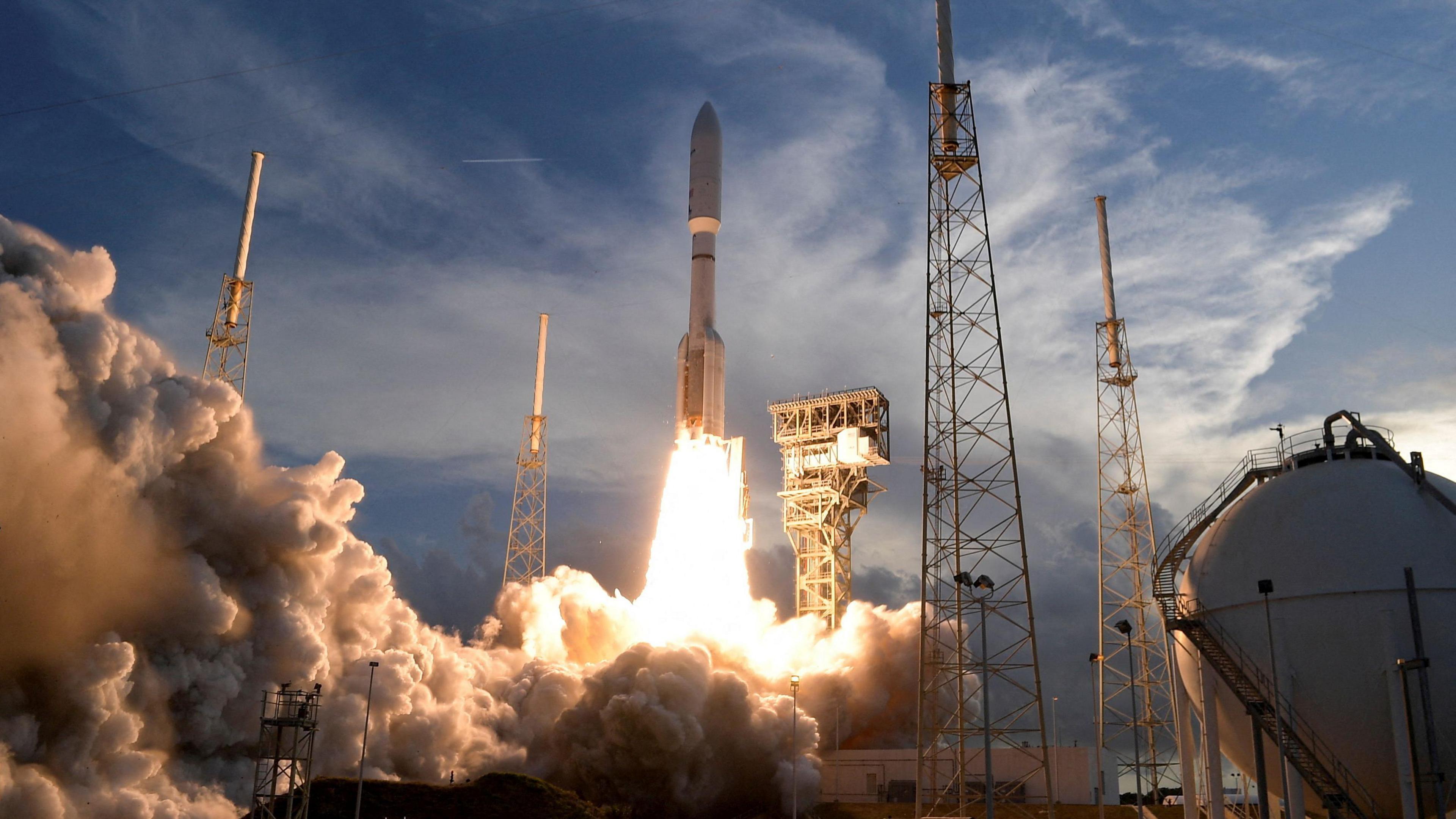
Beyond market skepticism, Amazon faces significant logistical hurdles. The company depends on the New Glenn rocket from Blue Origin, which has suffered repeated delays and a recent launch pad incident that destroyed critical infrastructure. While the company holds $255 billion in current assets to sustain this long-term capital burn, the technical and launch-related setbacks threaten to keep them trailing behind SpaceX’s established cadence. Amazon has already been forced to seek an extension on its FCC license deadlines to account for these development delays.
Comments (0)
No comments yet. Be the first!