
Researchers at Seoul National University of Science and Technology tackled the bottleneck of green hydrogen production: the high computational cost of optimizing solid oxide electrolysis cells (SOECs). Traditionally, finding the ideal balance between electrochemical performance and thermal stability required exhaustive trial-and-error, often involving over 6,500 individual simulations to map out operational variables. The new hybrid framework integrates high-fidelity computational fluid dynamics with active learning to identify optimal conditions with only 17 simulations.
In section Releases
AI Framework Slashes Hydrogen Production Design Time by 99 Percent
Engineers in South Korea have developed an AI-guided framework that replaces thousands of labor-intensive simulations with a streamlined optimization process for solid oxide electrolysis cells. By focusing computational power only on high-value data, the system achieves in 60 hours what previously required over 22,000 hours of processing time.
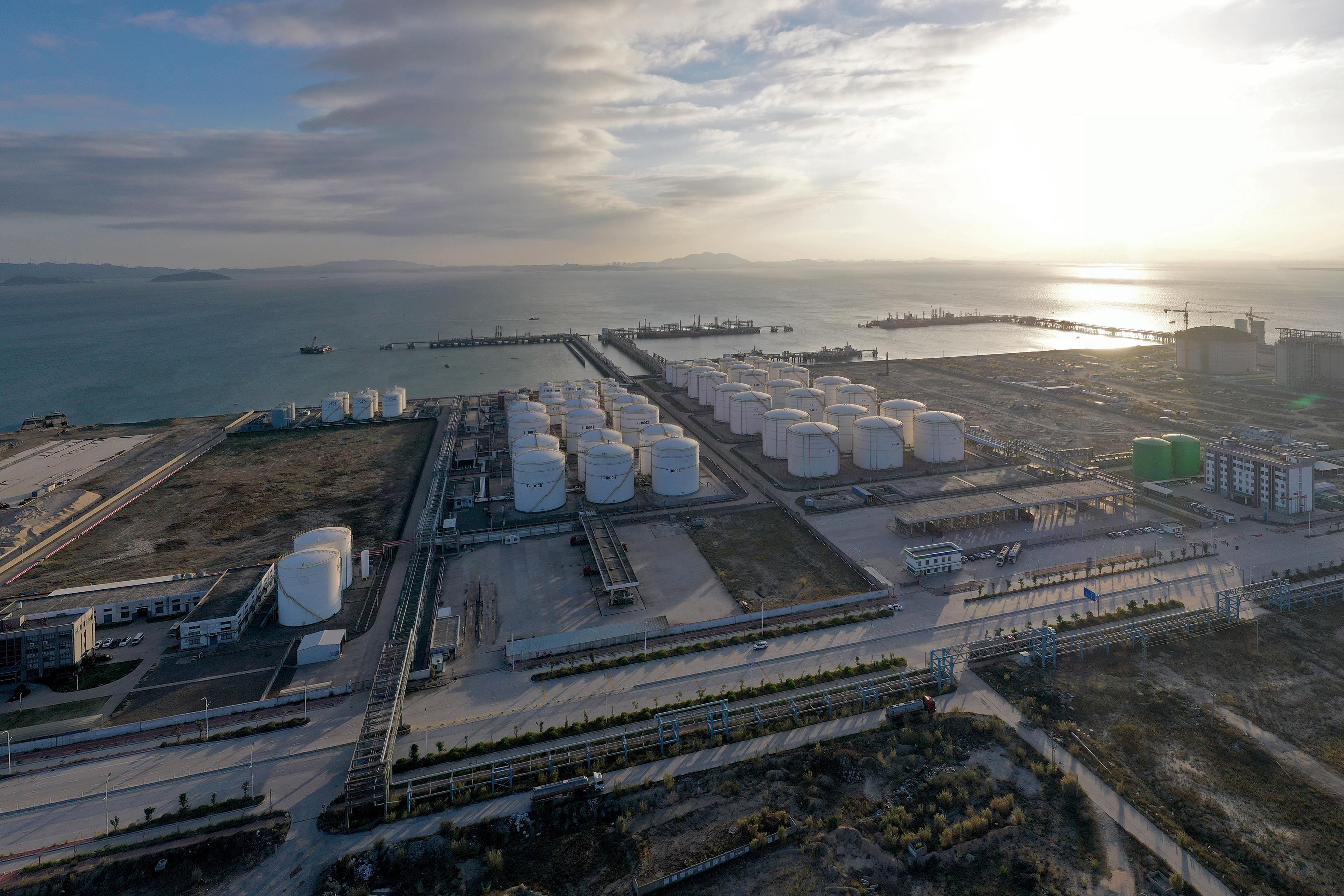
This approach does not simply hunt for a single peak efficiency; it identifies a Pareto-optimal region, allowing engineers to weigh performance against material longevity. By reducing in-plane temperature gradients by 80% and boosting the electrochemical performance index by 14% over baseline conditions, the AI demonstrates a significant leap in data efficiency. Mingi Choi, an assistant professor at the university, noted that this methodology provides a blueprint for accelerating development across other energy sectors, including battery design and catalytic system engineering. As the industry pushes to decarbonize heavy systems, this shift from brute-force calculation to intelligent data selection offers a viable path to faster commercialization of hydrogen technology.
Comments (0)
No comments yet. Be the first!