
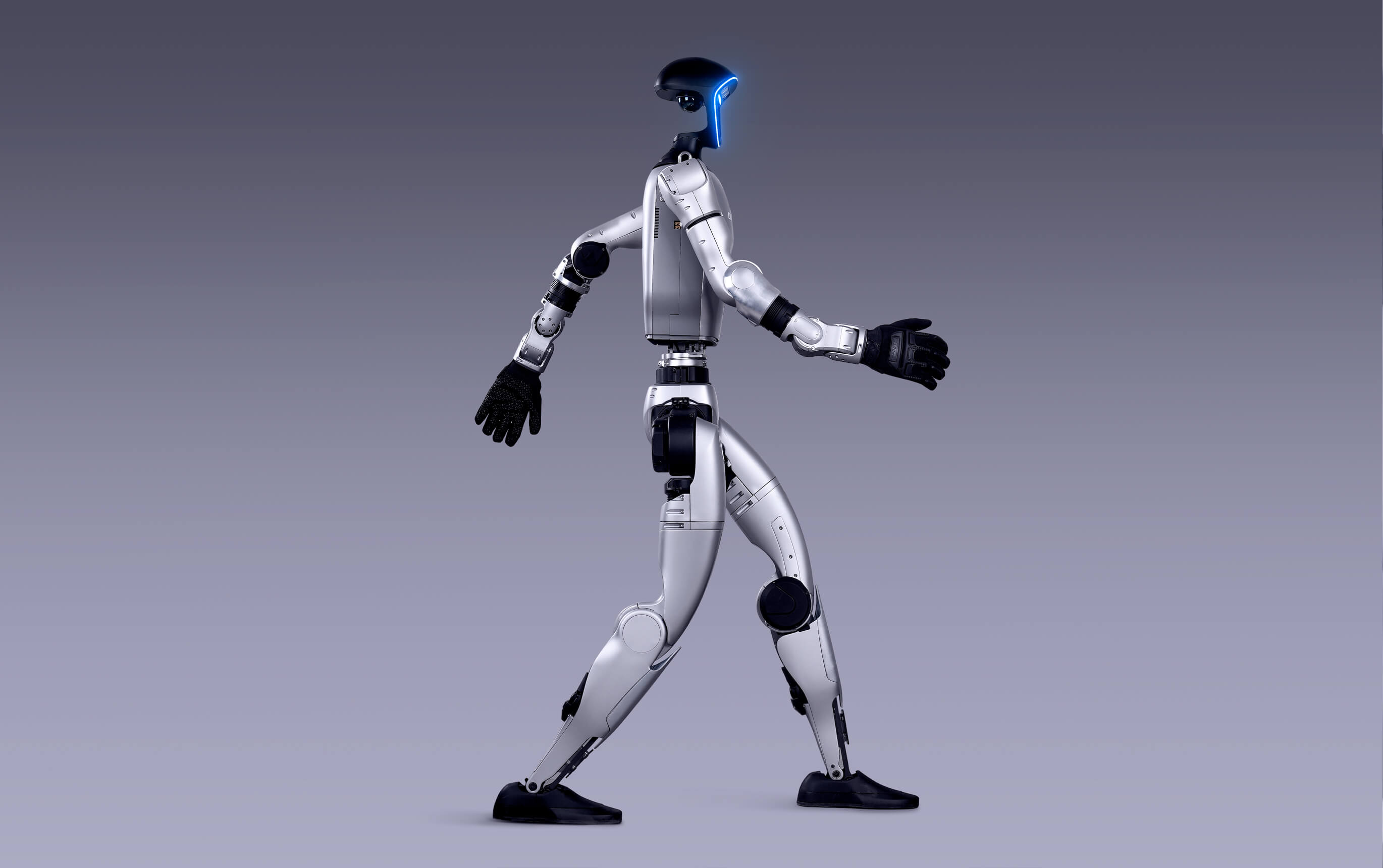
The sector currently finds itself in a "GPT-2 era," according to Harry Mellsop of Antioch. Like early language models, physical AI is starved for high-quality training data. Developers are struggling to move beyond controlled lab environments because they lack the diverse datasets and compute power needed to master complex physical manipulation.
This bottleneck has sparked a strategic divide among founders. Some, like Wayve CEO Alex Kendall, believe the path to general-purpose robots lies in autonomous vehicle technology, where massive amounts of driving data already exist. Others, including Genesis AI’s Théophile Gervet, argue that vertical integration is the only way to survive, focusing on specific tasks like solar farm maintenance or excavation to generate revenue and real-world feedback.
Comments (0)
No comments yet. Be the first!