
Pande, formerly a Stanford chemistry professor and the mind behind the distributed-computing project Folding@home, spent over a decade proving that machine learning could transform drug discovery. Yet, his new firm marks a distinct departure from the high-velocity investing common in Silicon Valley. VZVC operates without associates, relying instead on AI agents to manage day-to-day operations. For Pande, adding a new company to the portfolio is not a routine transaction, but a commitment akin to a long-term partnership.
In section Startups & Technology
Vijay Pande on why he abandoned the venture capital volume game
After managing a $4 billion healthcare portfolio at Andreessen Horowitz, Vijay Pande has pivoted to a radically different model. Alongside co-founder Zach Werner, he has launched VZVC, a firm that eschews the industry-standard volume of dozens of deals annually in favor of a handful of highly concentrated, long-term bets.
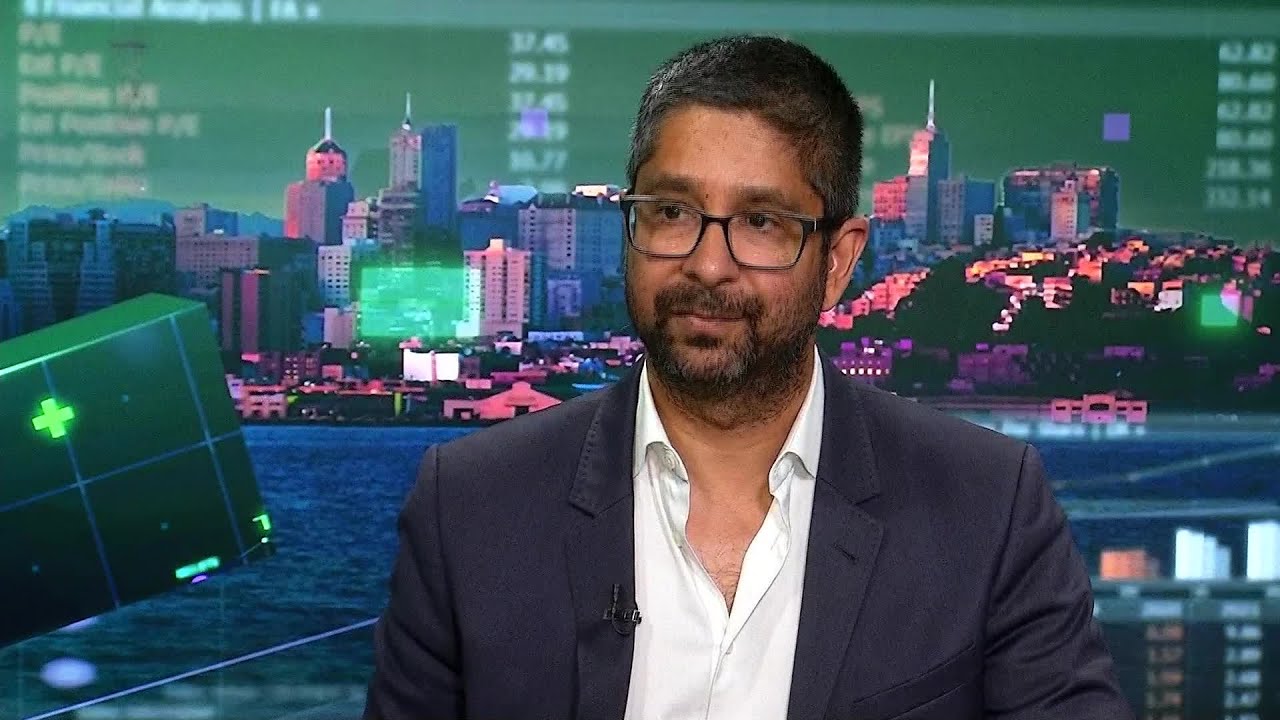
Central to his outlook is the challenge of data in medicine. Unlike text-based AI models that benefit from the vast, scrapable expanse of the internet, biological data remains siloed and proprietary. Pande argues that while AI can identify targets for drugs and potentially revolutionize clinical trials by replacing flawed animal models, its effectiveness is strictly capped by the quality and availability of that data. He emphasizes that the future of the field lies in building open-source foundation models—biological atlases that could eventually bridge the gap between fragmented medical specialties like oncology and endocrinology.
Comments (0)
No comments yet. Be the first!