
Wind and heavy rain often inflict damage that escapes the casual observer's eye. Missing, curled, or cracked shingles serve as the most immediate red flags, but even intact shingles can signal trouble if they show signs of lifting. Beyond the shingles, discoloration on the roof surface is a primary indicator of trapped moisture or the loss of protective granules. These exterior vulnerabilities eventually manifest inside the home, where water stains on ceilings, musty odors, or damp insulation indicate that moisture has already bypassed the primary defenses.
In section Releases
Spotting Hidden Roof Damage After Severe Storms
In the aftermath of a storm, the most dangerous roof damage is often invisible from the street level. Greg English, owner of Red Stick Roofing in Baton Rouge, warns that homeowners frequently overlook subtle structural shifts and minor water intrusion that can escalate into significant property loss if left unaddressed.
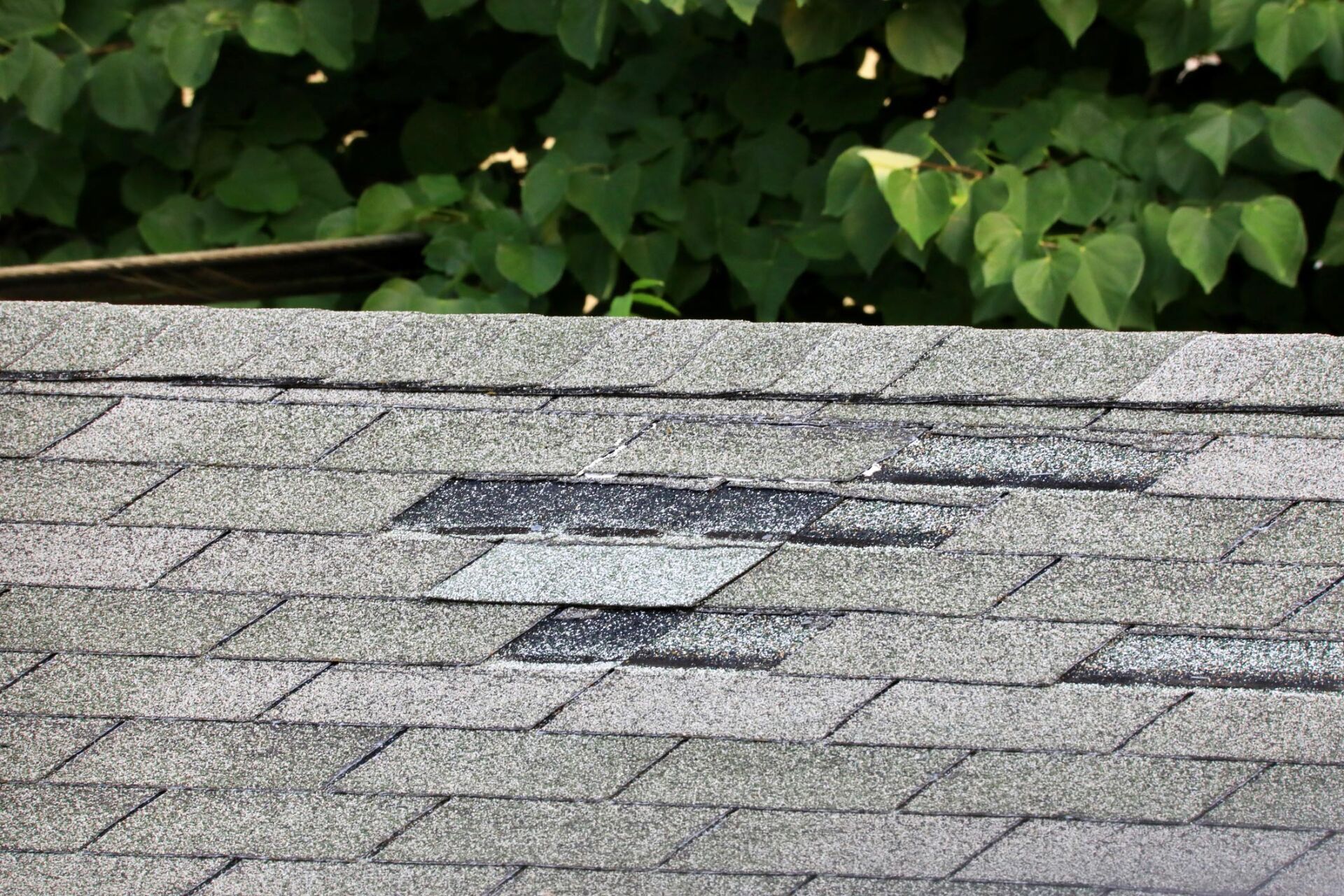
Debris buildup in valleys and gutters represents a secondary but equally critical threat. Such blockages trap water, forcing it to pool against flashing and aging sealants that may have already been weakened by wind. While a homeowner can perform a basic walk-around to identify obvious debris or missing materials, professional inspections are necessary to uncover compromised underlayment. Relying on expert assessments allows for the early detection of structural issues, such as uneven rooflines, which often require specialized intervention to prevent long-term damage.
Comments (0)
No comments yet. Be the first!